


Bar To Bar in mountain bike - Tappa 1: Alba - Treiso
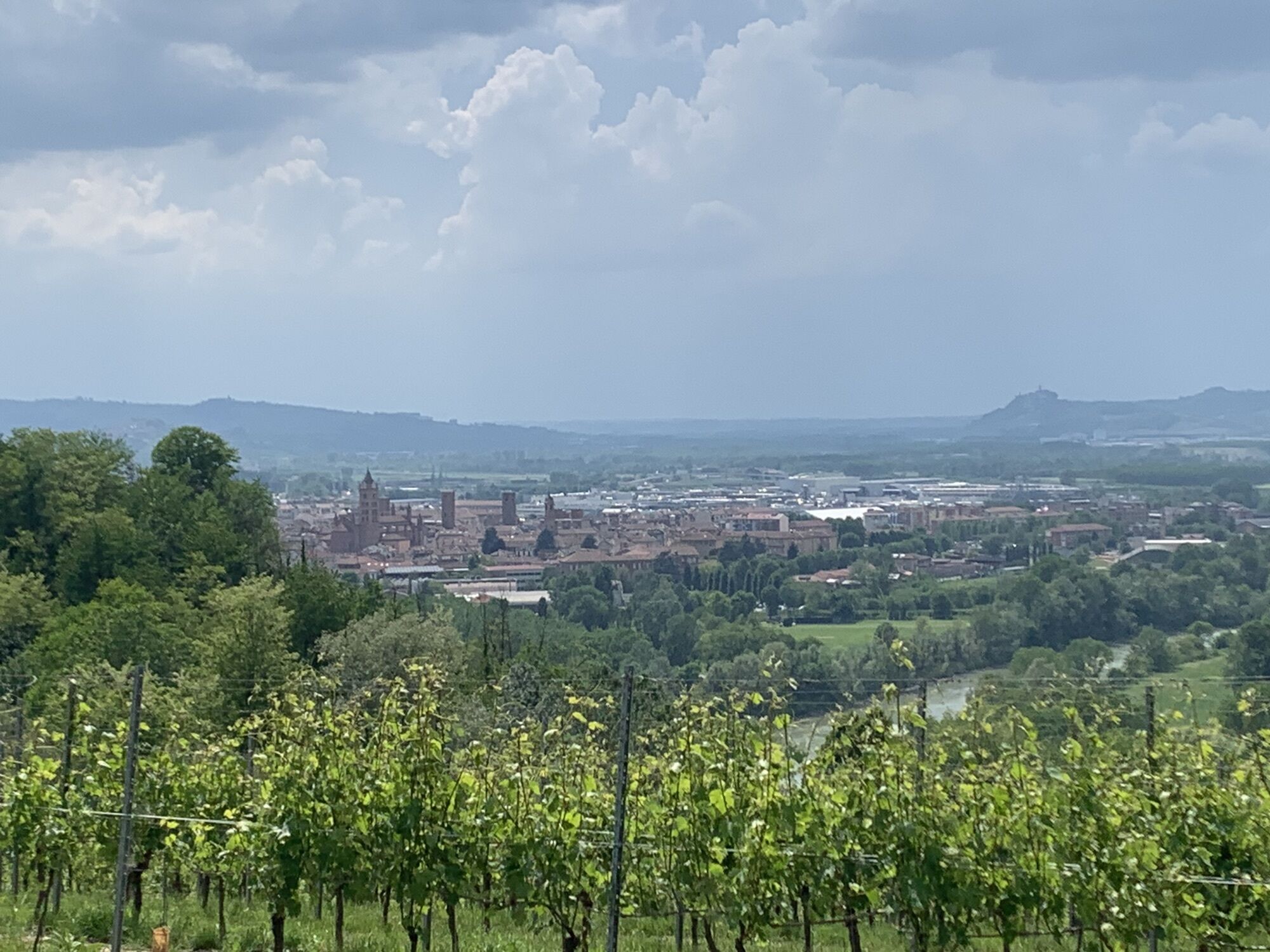
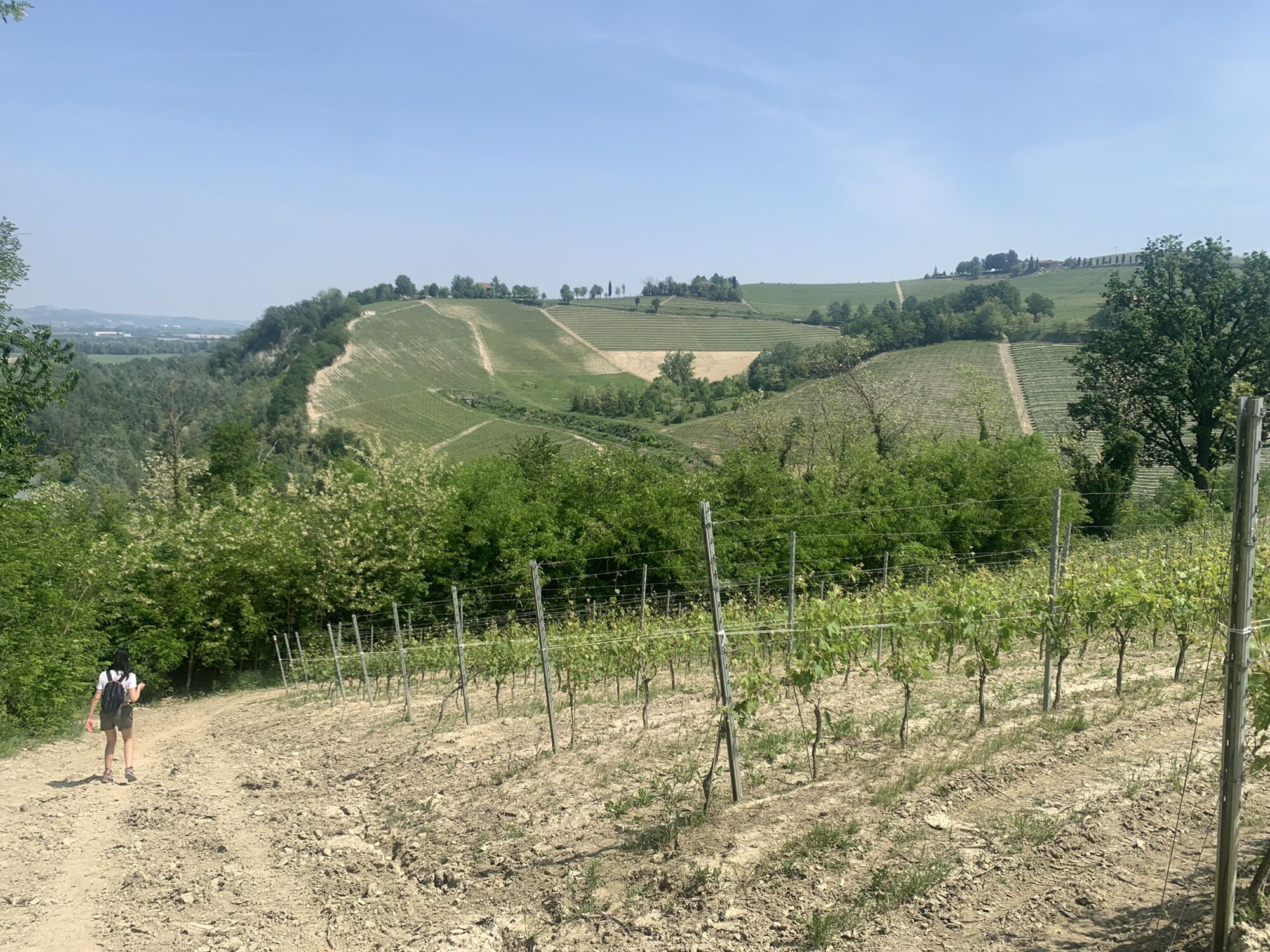
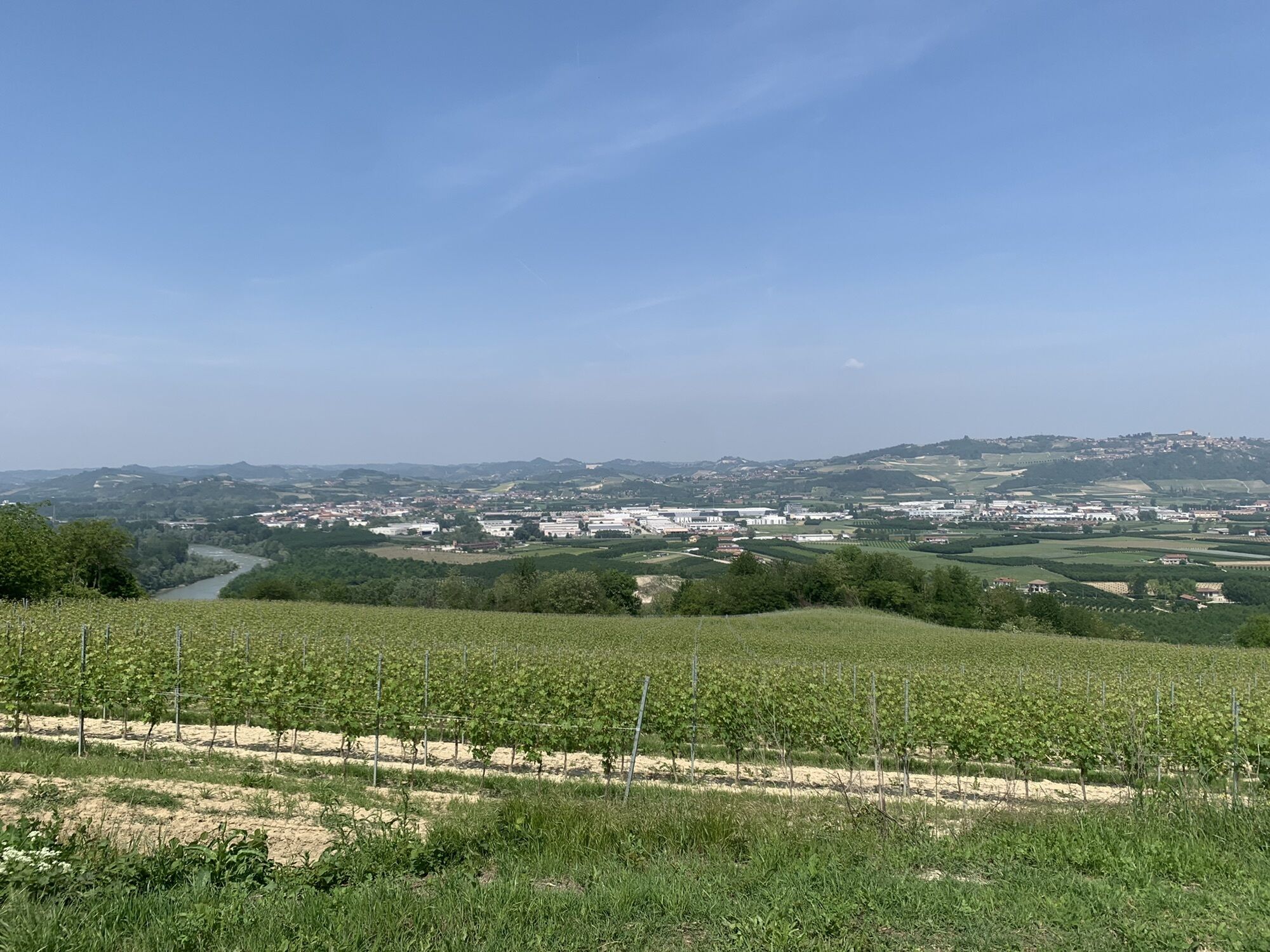
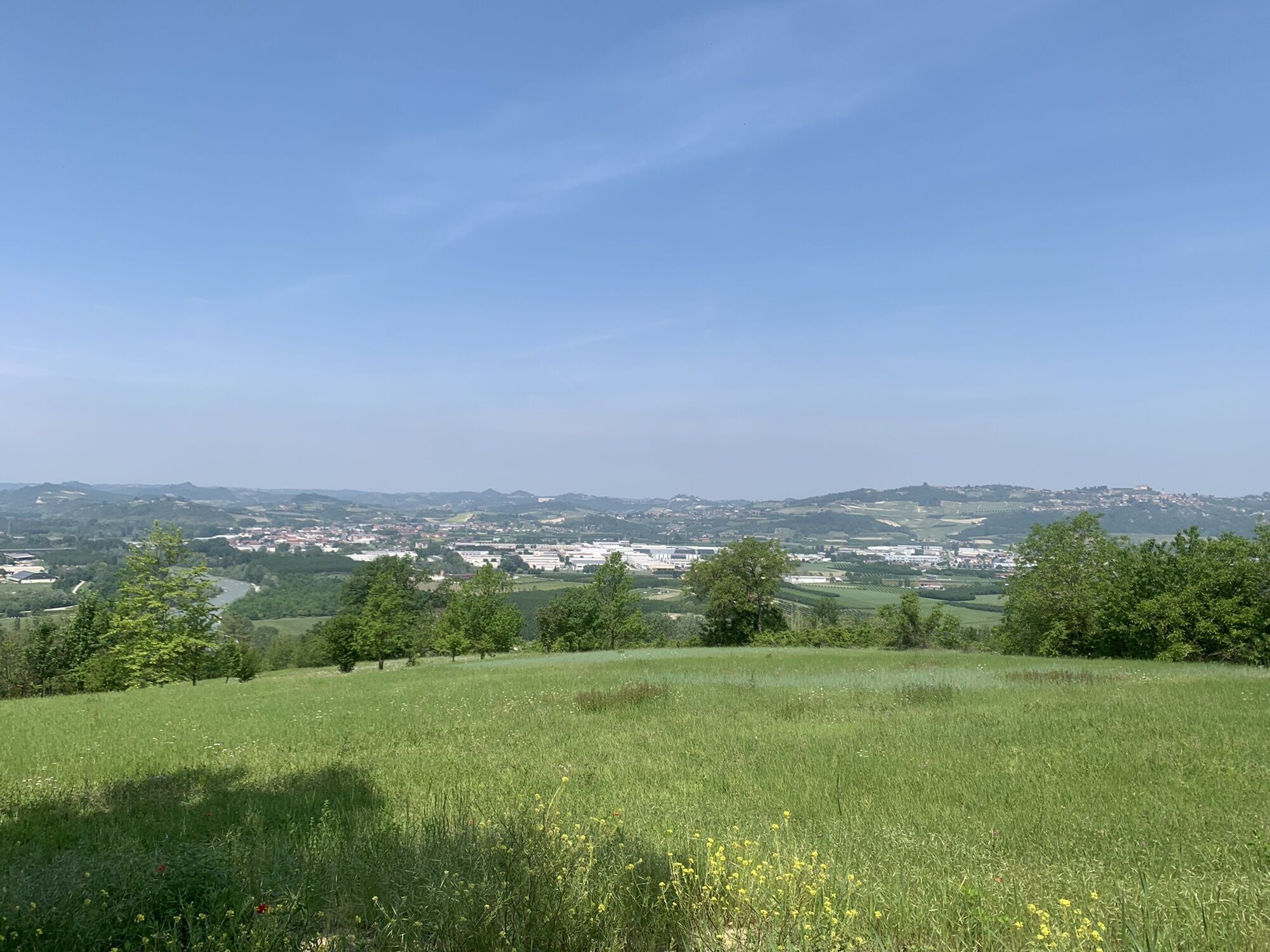
Leave Alba on viale Cherasca and, after crossing the bridge over the stream itself and the subsequent level crossing, turn left onto via Barbaresco which, about 300 m later, stops to leave room for an...
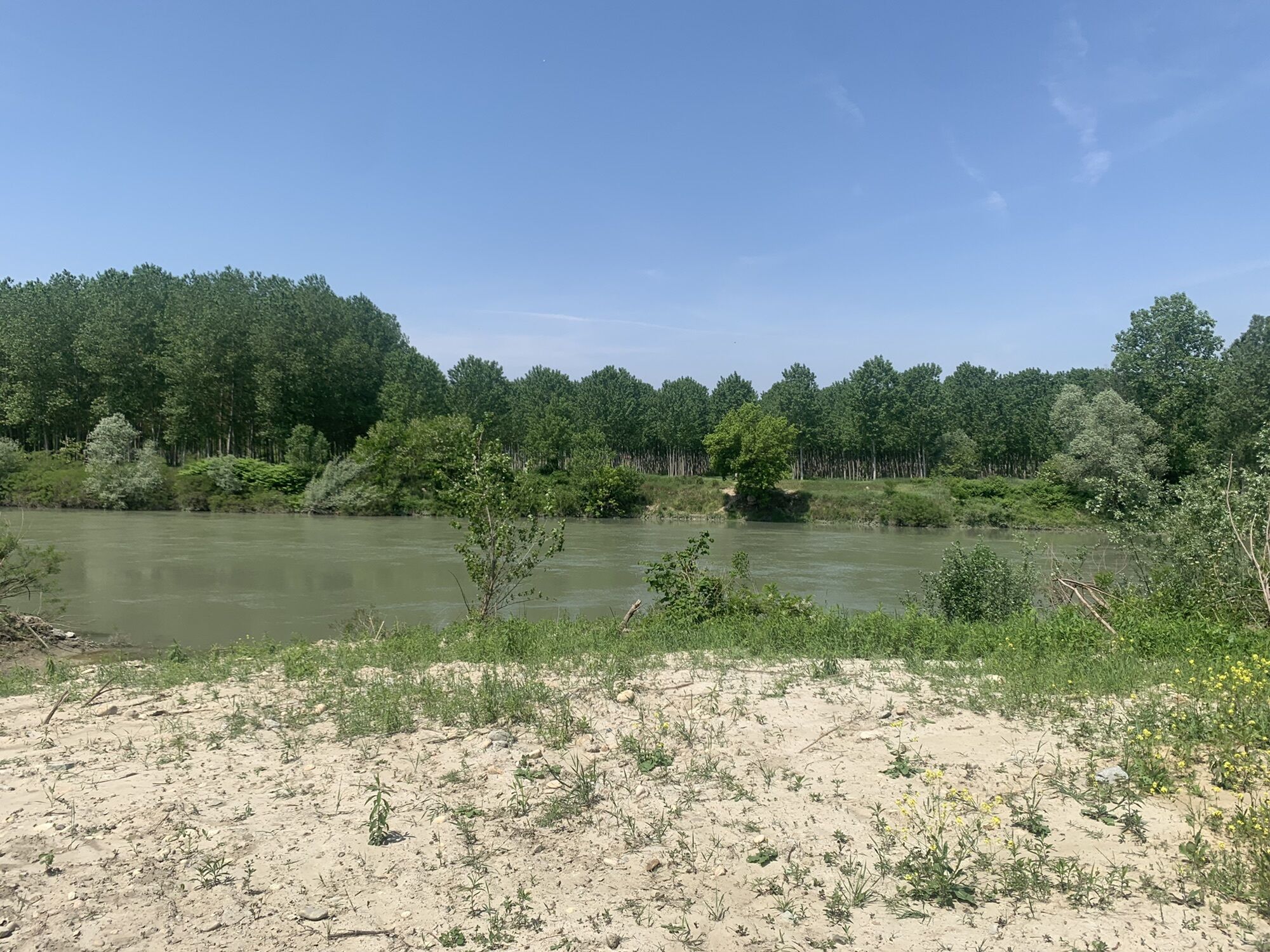
The road, near the last house, takes a dirt crossroads on the right, which goes around the property and takes us among the vineyards beyond the hill, to begin the very steep descent (D3, but there are fences and protections) which, through the woods, it descends to the Seno d'Elvio stream, almost where it flows into the Tanaro. A small bridge allows us to cross to continue on the flat between the river and the rocks in an oasis of silence, scents and biodiversity. In these fortresses some of the most prized truffles of the Langhe are collected, thanks to their being isolated and, therefore, intact. The road runs alongside two signs dedicated to Fenoglio to turn right, after a couple of kilometres, at the second sign and reach Cascina Pagliuzzi, which we will leave on our right to take a small bridge over the Rio Sordo and shortly return to the asphalt near the Cascine Pora.
We continue beyond the small station of Barbaresco (now an Australian's cellar!) and take Via della Stazione on the left which goes up to the natural amphitheater of Martinenga: memories of the ancient Romans (the emperor Pertinax was born in these parts) and the subsequent barbarian invasions are echoed in the toponyms and archaeological finds, while today the five crus of the hill (Pora, Fasèt, Asili, Martinenga, Rabajà) are among the most famous of the denomination.
You reach the ridge near the small Chapel of San Teobaldo where the path, to the left of the road, runs parallel to it to reach the ancient village of Barbaresco, dominated by the exceptional medieval tower (the current one is from the 14th century, built by Visconti, now renovated and open to visitors) and literally immersed in the Nebbiolo vineyards, the prince of the Langhe vines. A tour of the town is a must, an absolutely unmissable tasting! We leave the town from Via Cavazza (next to the Regional Enoteca, in the small Confraternita di San Donato, today a secular temple of wine, not to be missed) to cross the provincial road and go down to the harvest village of Montestefano (another famous cru, like the neighbors Montefico, Cole and Ronchi): a sort of lookout towards the ancient village of Neive Alto. Just at the first house, turn left: steep descent (D2) with hairpin bends, on asphalt and then dirt, up to the valley floor, where you turn right among the poplars of the enchanting valley and, after a hundred metres, left to run alongside the railway and go over it on the concrete overpass. A few meters and you arrive at Cascina Principe, from where the asphalt resumes, and you turn left until the intersection with the provincial road. Continue beyond the provincial road and take the climb (S2) towards Cascina Montà, which we leave on the left and then continue uphill towards the top of San Cristoforo between vineyards and headlands, keeping to the left. You pass between the tanks of the aqueduct on asphalt to return to the dirt road immediately after the last farmhouse and reach one of the most beautiful panoramic points in the area (there is also a giant bench by designer Chris Bangle!). From here you descend gently (D1) almost to the provincial road, but immediately turn left into a path which then veers ninety degrees to the right to descend steeply (D3) downstream onto the provincial road. Here you turn left and then at the first crossroads (that of Trezzo Tinella) right and, after crossing the bridge, take the uphill path on the right (S3). Keep left towards Cascina Castellizzano, which stands out at the top of the hill: you reach it by turning right almost at the top, at the last headland. The asphalt then resumes from Castellizzano and continues straight towards the Chapel of San Stefanetto (another pleasant and panoramic place), from which you turn left to reach the ancient settlement of the Bongiovanni (example of a small fortified village with houses arranged along the wall on both sides and once the gates to block the way at night) which is one of the two historic villages of Treiso (the other is Cravè, beyond the church square). Treiso is often mentioned by Fenoglio (here was the first recruitment of partisans who fled from Alba to avoid responding to the Salò call for military service) and was also a place of inspiration for Piero Masera, the first modern photographer of the Langhe (his famous “Mattino sulla Langa” was the poster for a Biennale in Venice). In addition to the well-known Barbaresco, the hill that curves from Treiso to Madonna di Como is renowned among gourmets for producing one of the most fragrant and persuasive sweets in the Langhe.



Ano
By car: A6 – Torino Savona, Marene or Carmagnola exit / A21 – Torino Piacenza, Asti Est exit / A33 – Asti Cuneo, Alba exit / By plane: Milan Malpensa and Linate – www.sea-aeropoertimilano.it / Torino Caselle – www .aeroportoditorino.it / Cuneo Levaldigi – www.aeroporto.cuneo.it By train: Ferrovie dello Stato: www.trenitalia.com
Langhe Monferrato Roero Tourism Board: www.langheroero.it/
Alba: Urban Towers, Noble Palaces, Social Theatre, "Alba Underground" Archaeological Route, Beppe Fenoglio Study Center - Barbaresco: Medieval Tower, Cavazza Museum, Barbaresco Regional Wine Shop - Treiso: Bottega dei Grandi Vini, Rocche dei Sette Fratelli -
Oblíbené prohlídky v okolí
-
5.0
Castagnito - Oratory of the Holy Spirit
středníTuristika 14.7 km -
Barolo Classic
heavySilniční kolo 50.0 km -
IL GRANDE CAMMINO DEL MONFERRATO - 6°TAPPA: CASTAGNOLE LANZE - CANELLI
heavyPoutní stezka 21.4 km -
IL GRANDE CAMMINO DEL MONFERRATO - 5°TAPPA: ASTI - CASTAGNOLE LANZE
heavyPoutní stezka 21.8 km -
The hills of Count Cavour
světloSilniční kolo 35.8 km -
Essences and knowledge
středníTuristika 8.81 km -
Via dei Santi: Stage 1 San Martino Alfieri - Celle Enomondo Fraz. San Pancrazio
světloTuristika 6.93 km -
BTB - Bar To Bar - Stage 1: Alba - Treiso
středníTuristika 16.1 km -
Via dei Santi | Variant 1A San Martino Alfieri - Bridge over the Tanaro
světloTuristika 2.82 km -
Cycling through the Rocche of Roero
středníSilniční kolo 83.4 km
Pěší turistika a stopování

Nenechte si ujít nabídky a inspiraci pro vaši příští dovolenou
Vaše e-mailová adresa byl přidán do poštovního seznamu.