





Filstal Industrial Culture Route
Úroveň obtížnosti: 2
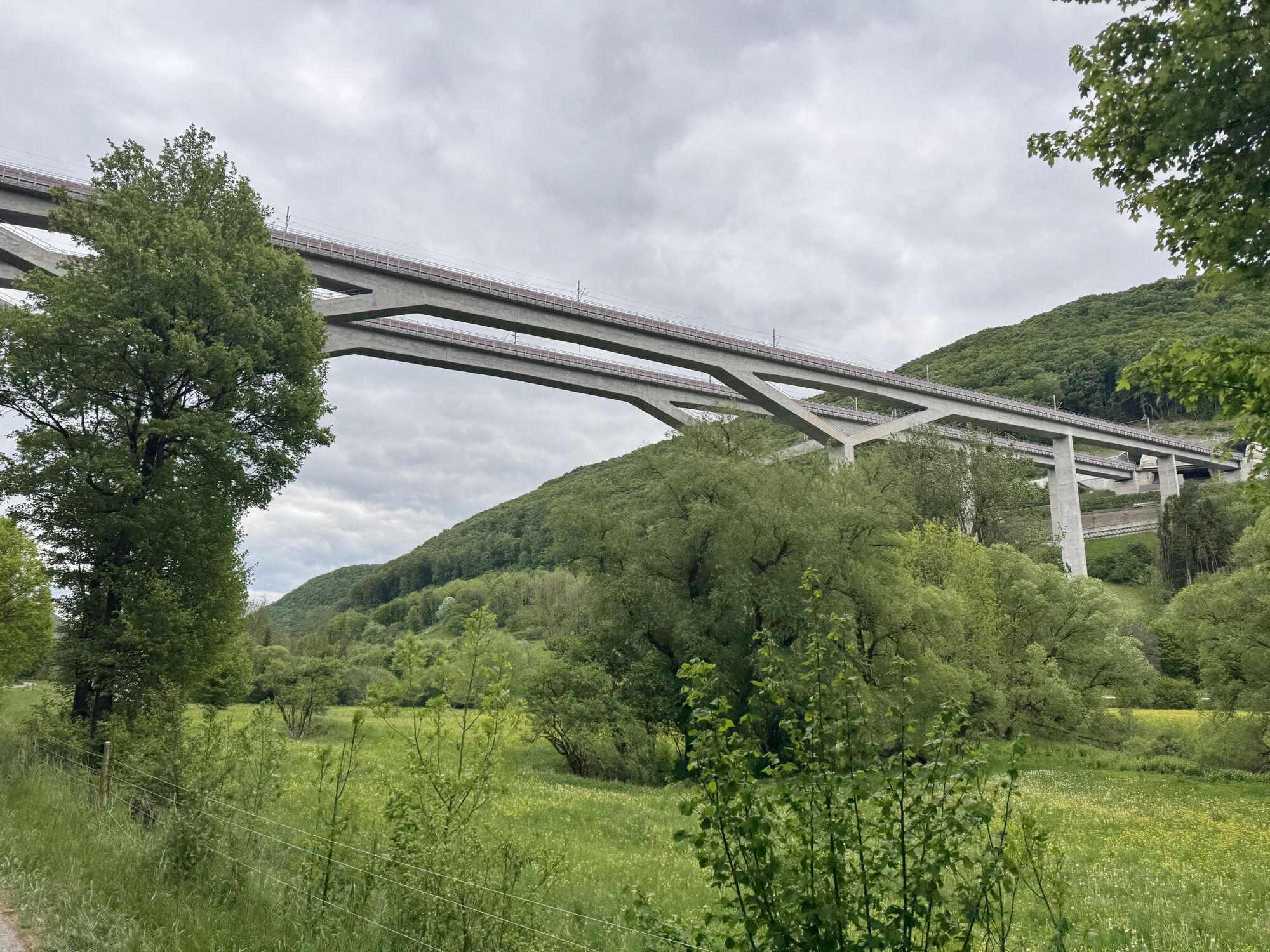
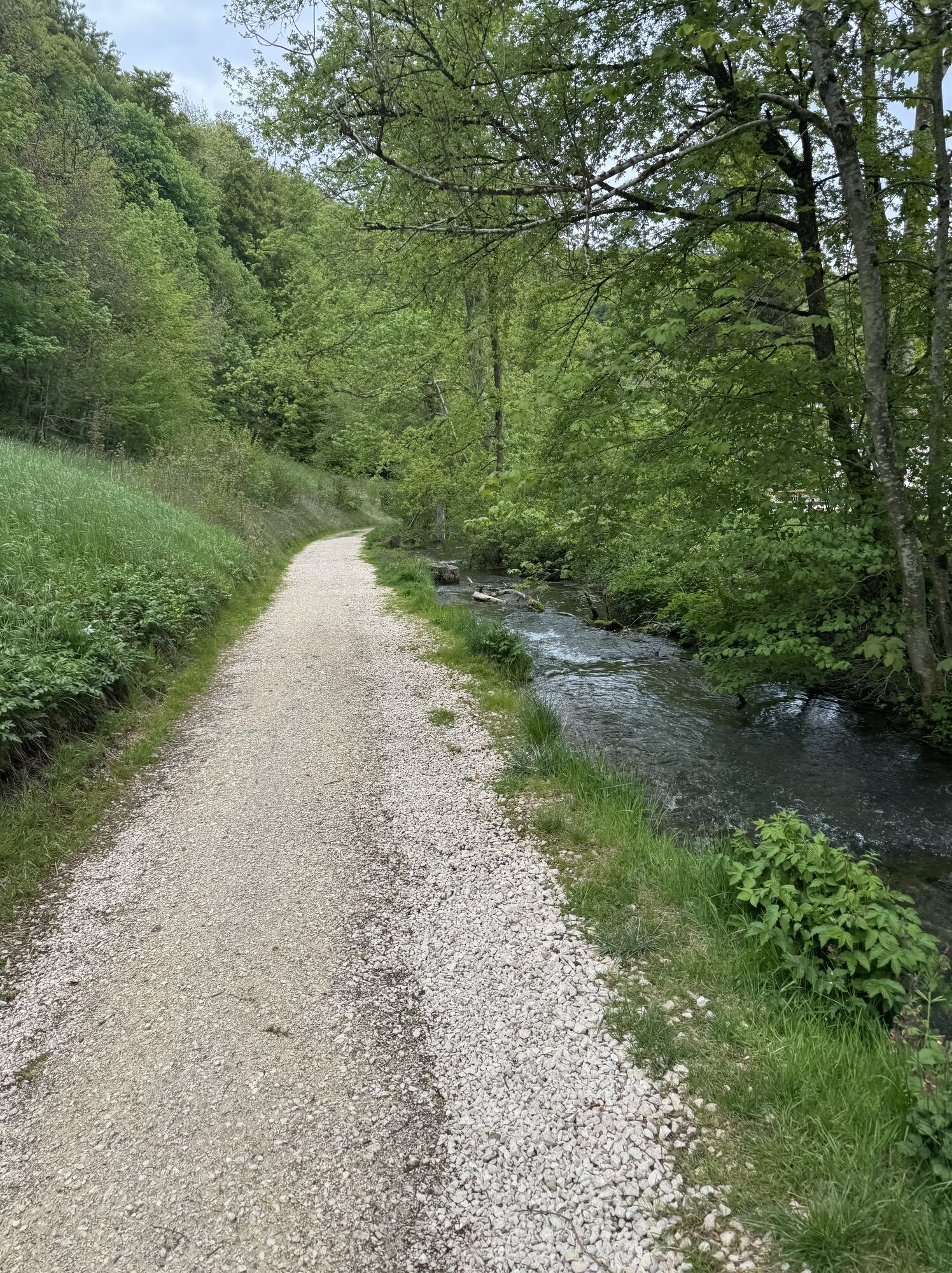
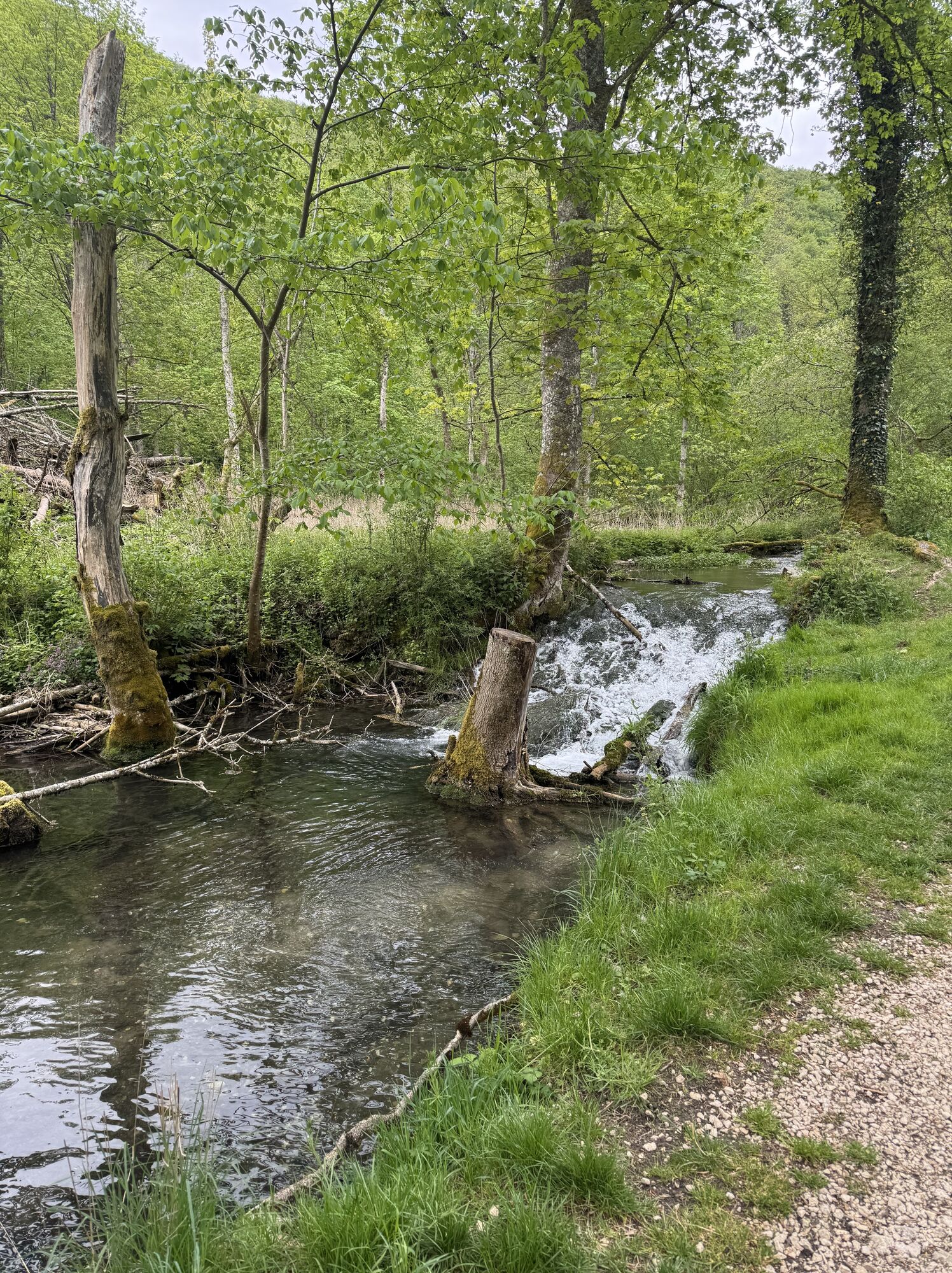
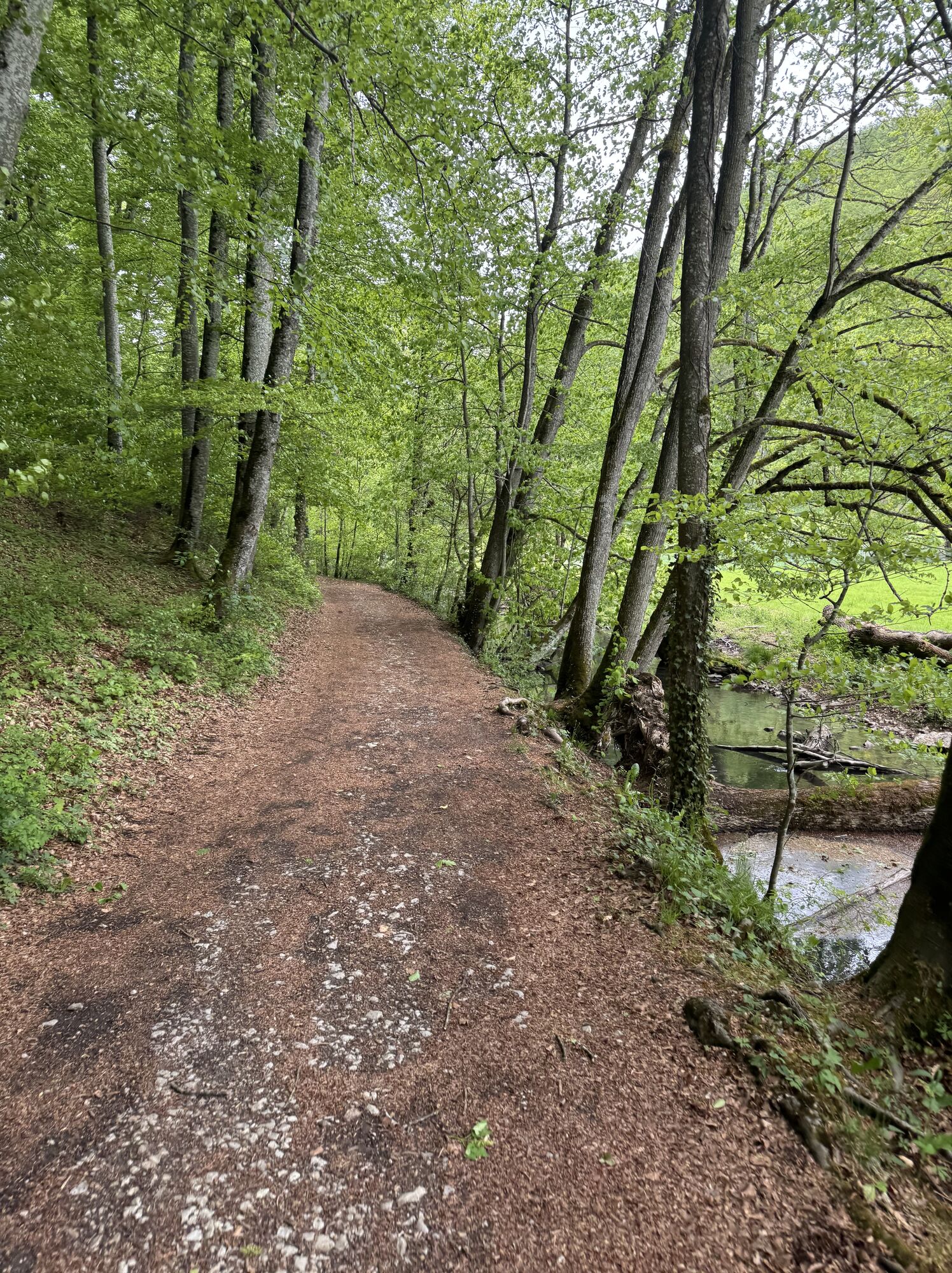
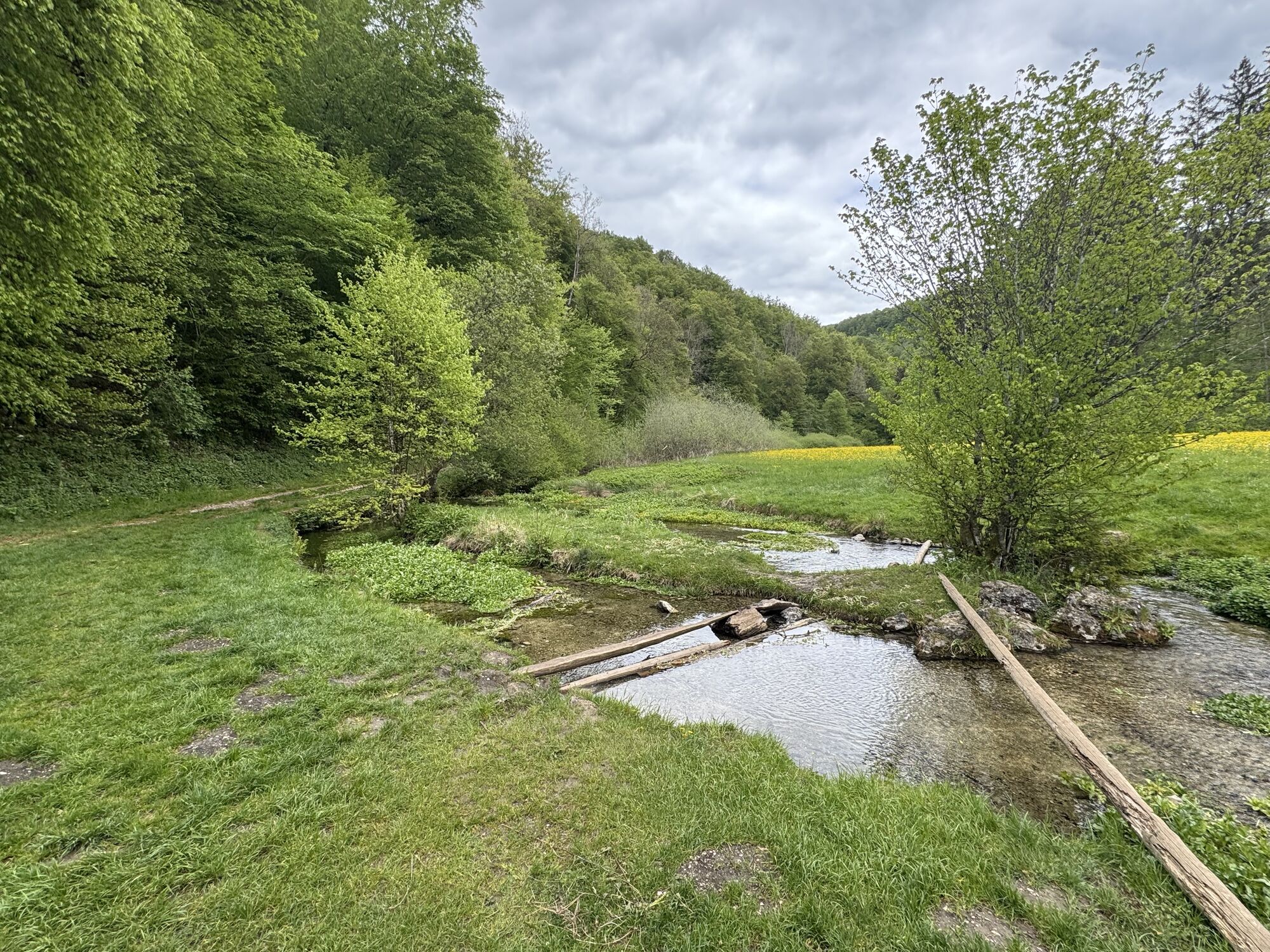
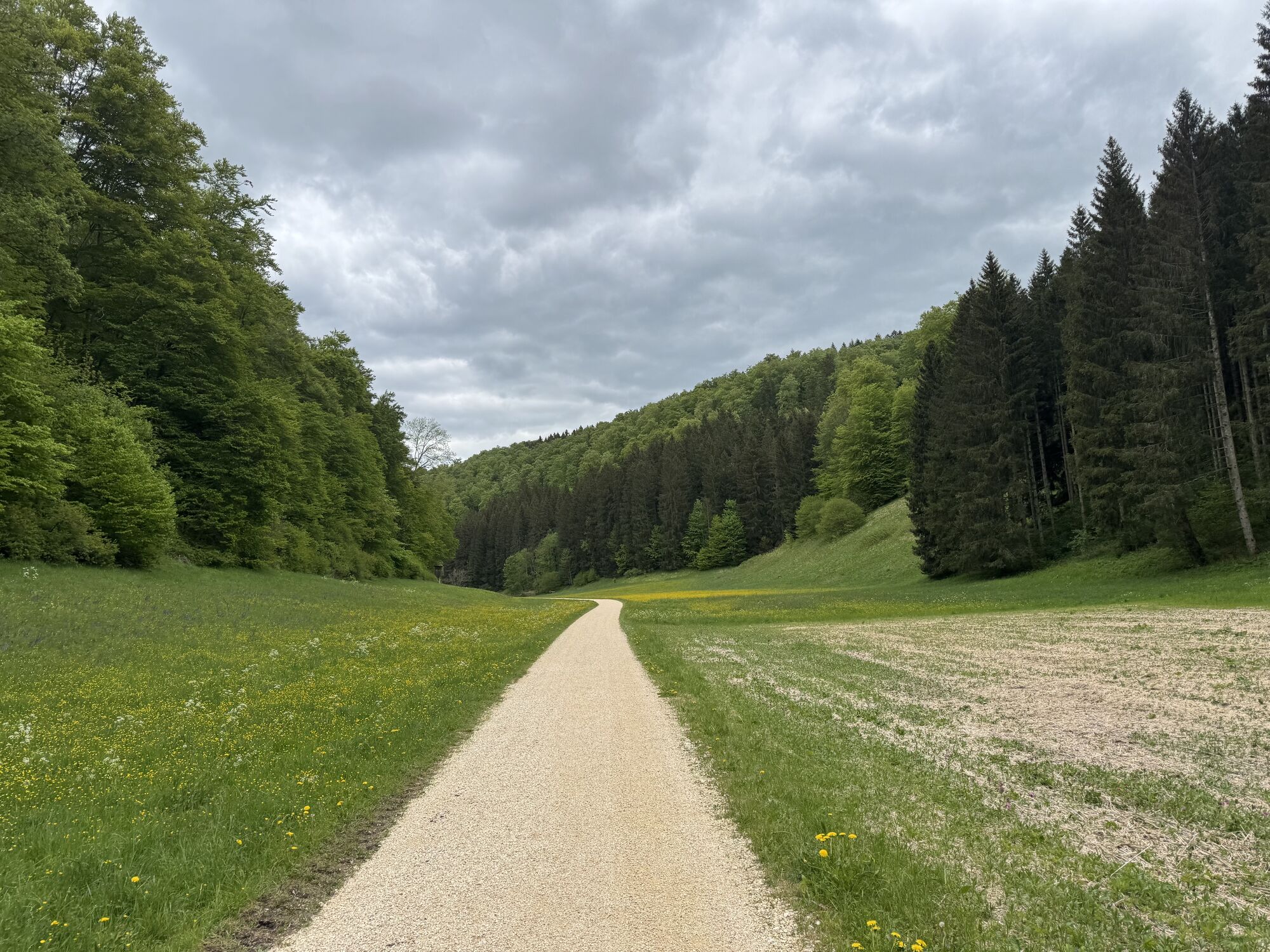
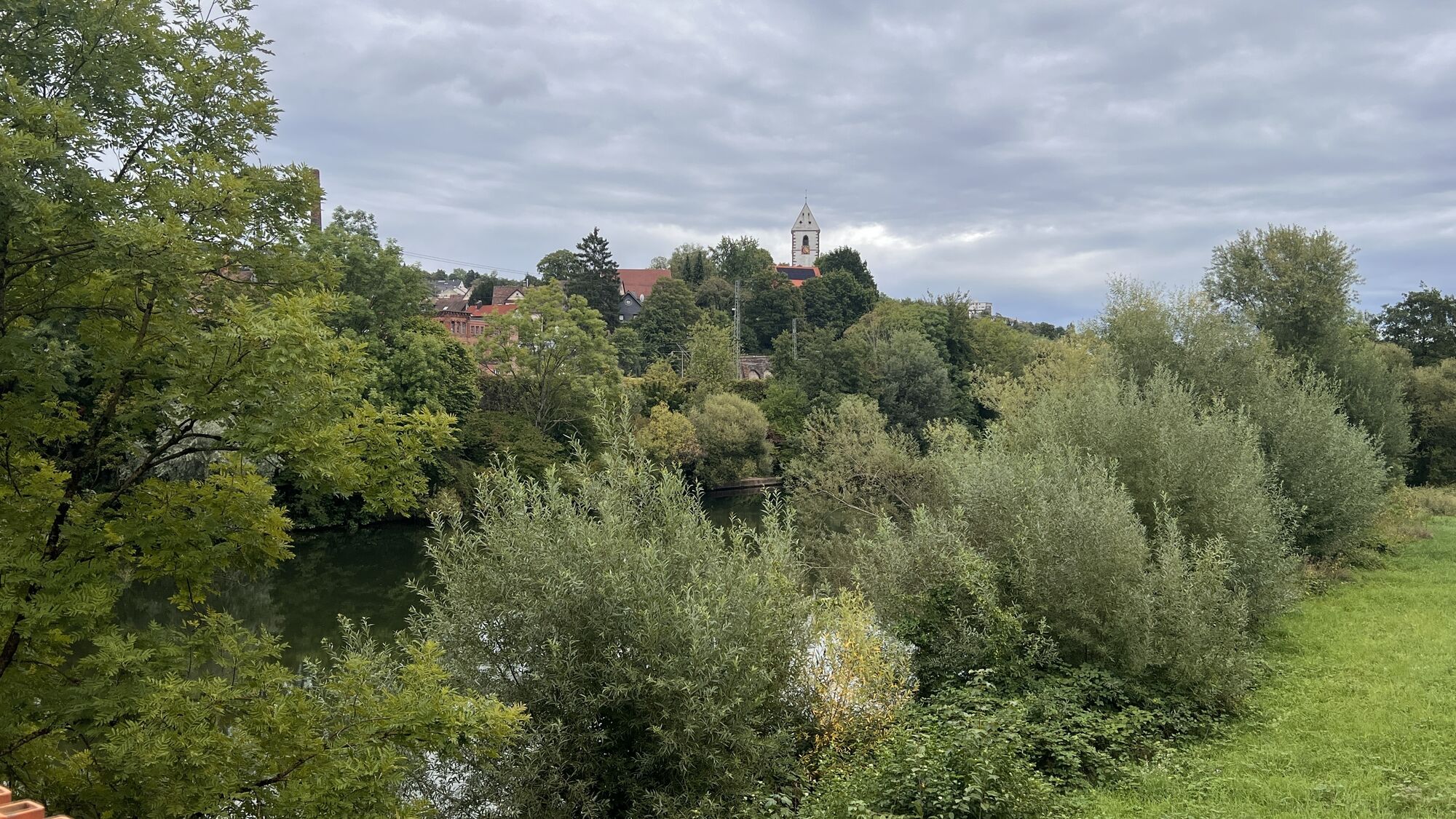
The Filstal in the southeast of the Stuttgart region looks back on an exciting industrial historical development. Numerous relics and testimonies prove an early industrialization. Trade and industry are...
The Filstal in the southeast of the Stuttgart region looks back on an exciting industrial historical development. Numerous relics and testimonies prove an early industrialization. Trade and industry are still lively components of the valley and its neighboring communities today. With the Filstal Industrial Culture Route, the industrial past and present of the Filstal is to be brought to awareness and made tangible.
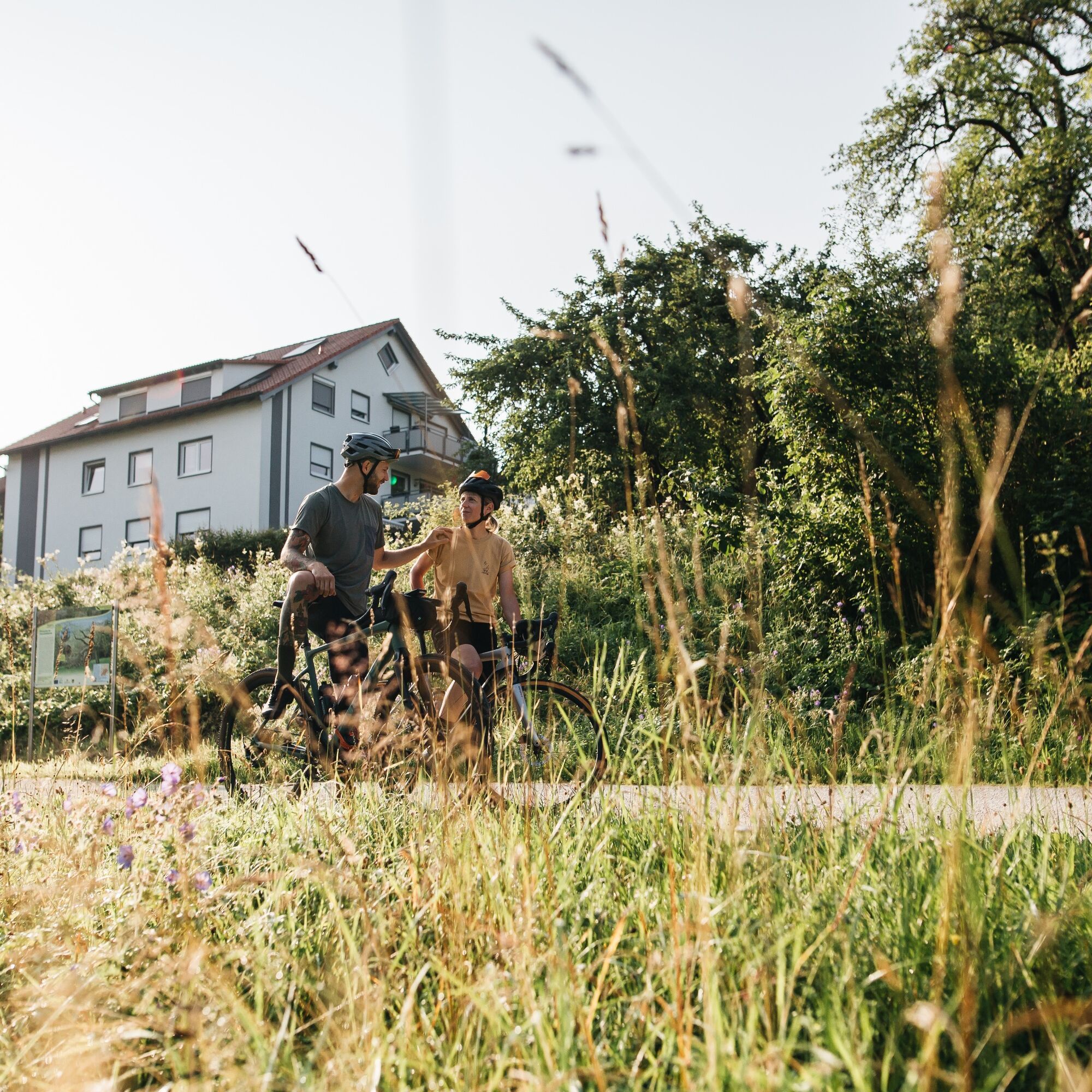
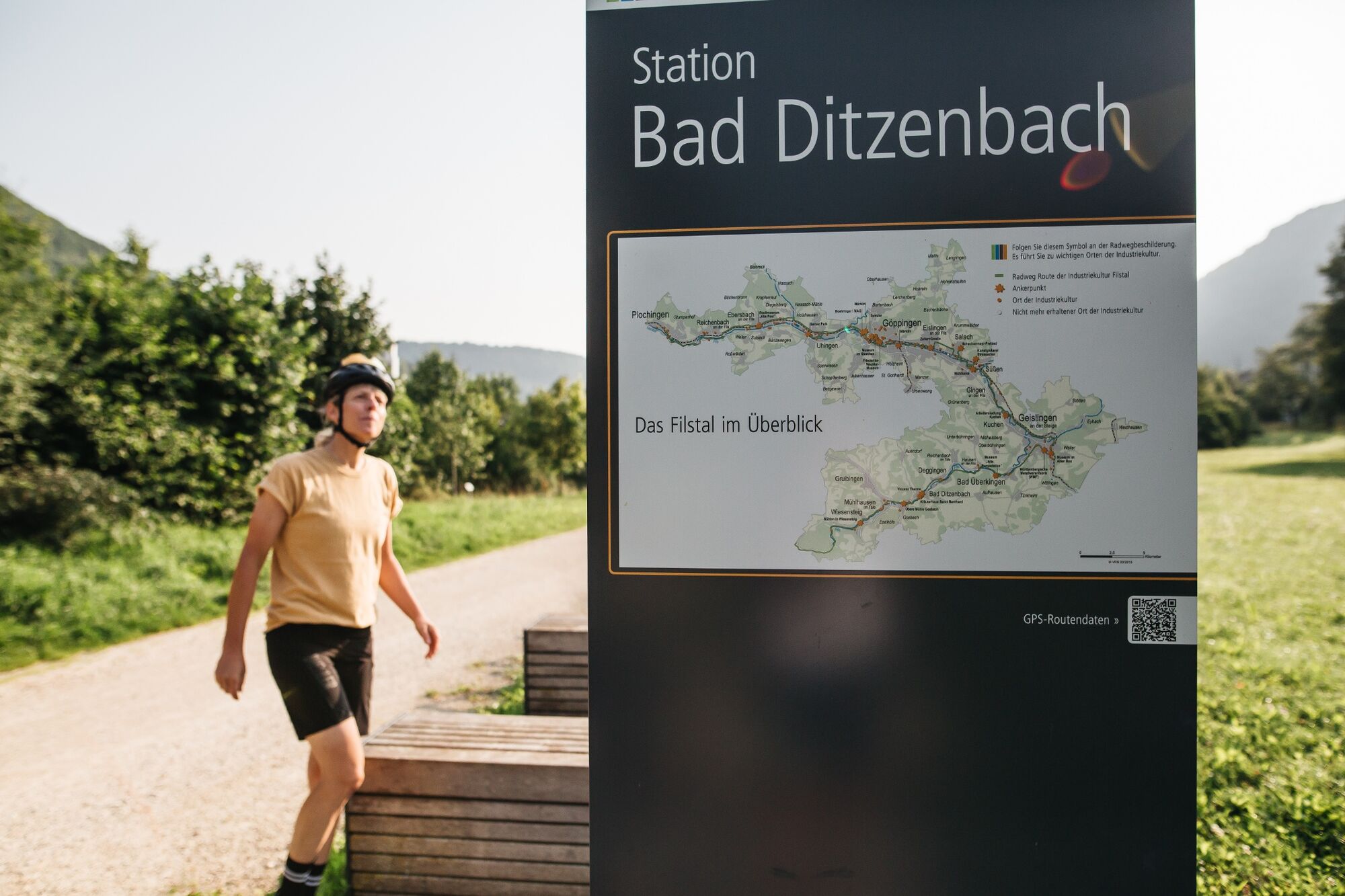
The Filstal Industrial Culture Route connects numerous places of industrial culture throughout the entire Filstal as a cycle route. Some of these places are designated as so-called "anchor points" due to their importance for industrial development but also because of their current offerings for visitors. The Industrial Culture Route largely follows the well-developed cycle path network of the Filstal cycle route from Wiesensteig to Plochingen. With the logo of the industrial culture route always in sight, you can follow the traces of industrialization in the Filstal. The places of industrial culture and anchor points are not only easily accessible for cyclists: The Filstal is very well developed for car traffic via the federal roads B 10 and B 466. Stations related to the local industrial history invite you to linger at special places along the route and offer the opportunity to inform yourself.
The backbone of the Filstal Industrial Culture Route is the valley-accompanying Filstal route, which runs for a distance of 67 km between the "Bahnhöfle" car park west of the municipality of Wiesensteig and the Plochingen station near the Fils river mouth. There is a continuous north route as well as partly alternative routes via the south route. The Industrial Culture Route largely runs on the Filstal route north, but branches off several times to approach the anchor points and other industrial cultural places. For this reason, the Industrial Culture Route is also somewhat longer, about 78 km.


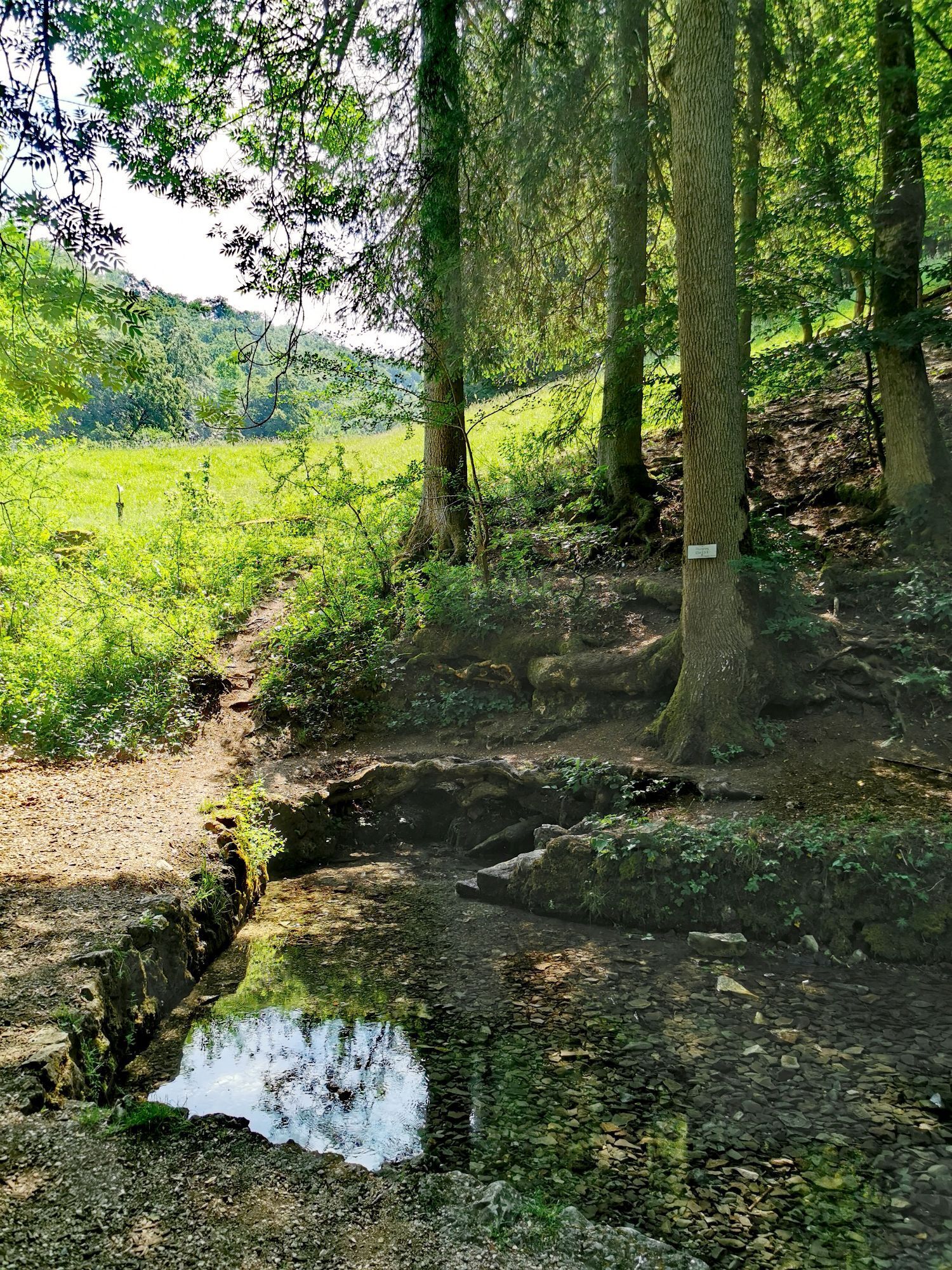
The Filstal Industrial Culture Route (RIKF) starts at the "Bahnhöfle" southwest of the Reußenstein castle ruin, runs through the Hasental valley to the karst spring of the Fils origin and past the former Josef Lang cardboard factory along the Fils to Wiesensteig. Here it leaves the Filstal route, leads to the former Lamm brewery, to the Wiesensteig mill, and over the Schöontal path back to the Filstal route. At the entrance to Mühlhausen in Täle, the RIKF branches into the town center with its historic mills. It passes under the B 466, passes the industrial area with the Rothfuß sawmill, and reconnects with the Filstal route at the town exit. On the way to Gosbach, the route runs under the A8 motorway, whose lanes from here separately manage the way on and from the Alb plateau. At the town entrance, the RIKF together with the Filstal southern route bends right, where a short detour to the Upper Mill Gosbach is signposted.
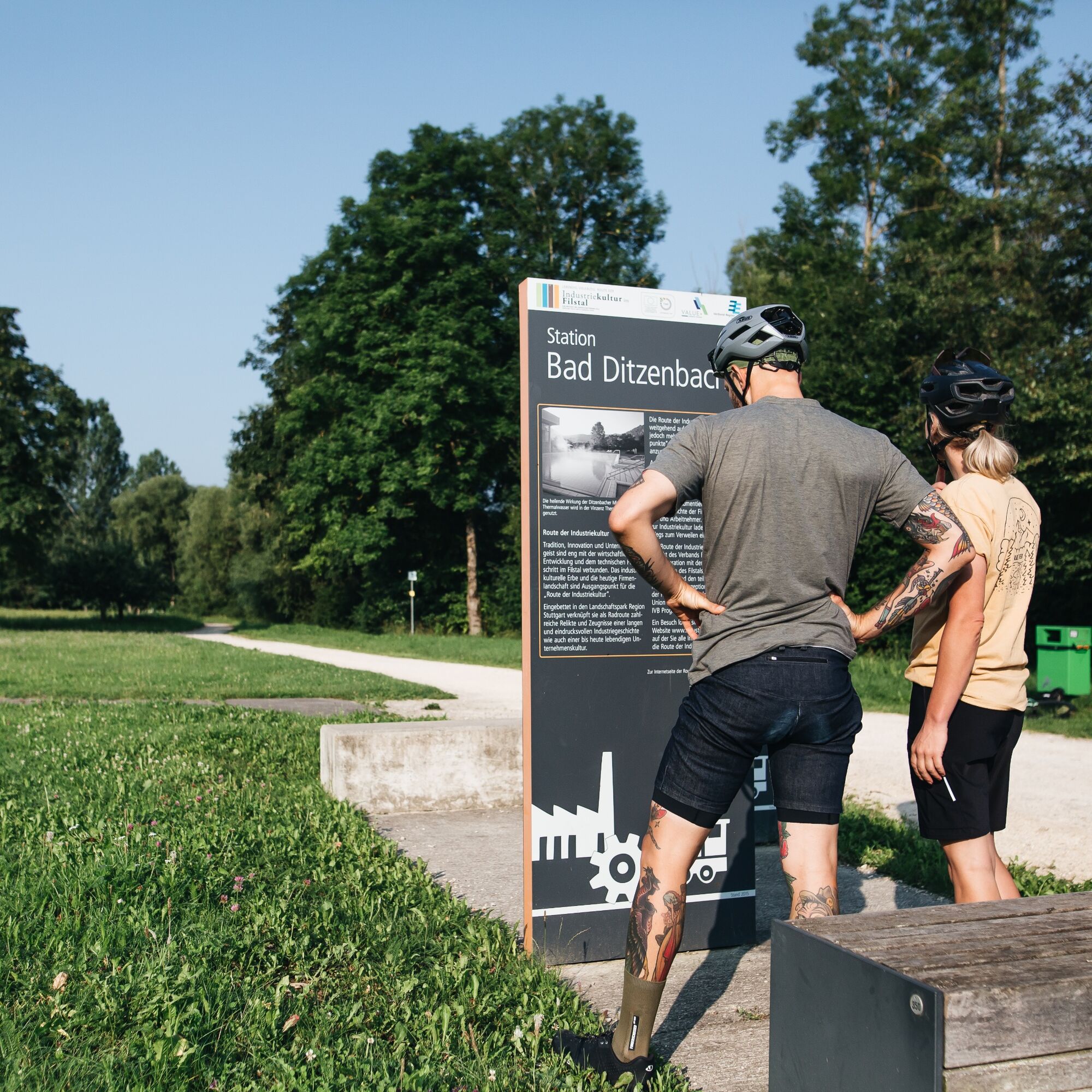
Along the Fils it continues to Bad Ditzenbach. At the town entrance, the industrial culture info station invites you to linger before the RIKF branches to the Sanct Bernhard herb house. After crossing the federal road B 466, a short spur leads to the Vinzenz Therme thermal mineral bath. The RIKF now runs together with the Filstal route north on the former route of the Tälesbahn parallel to B 466 to Deggingen. There it changes the Fils bank, from where you can reach the old station and former laundry factory Deggingen via Bahnhofstraße. On the way to Hausen, a wide view opens over the Filstal with the spectacular Hausen rock face and the Rohrbachtal valley coming from the north with Haarberg and Wasserberg in the background. In Hausen lie the former Villforth grain mill and, with Grüner Systemtechnik, a young and thriving mechanical engineering company near the route. At the town exit, the RIKF returns to the Filstal route north and continues along the Fils. On the way, a detour invites you to visit the historic pump station Bad Überkingen.
In Bad Überkingen itself, the thermal bath, spa park or historic town center are worth a visit. Imposing is the site of the mineral springs Überkingen-Teinach AG on the opposite Fils bank. There, IQ 4 YOU GmbH operates Europe’s most modern can filling plant. The RIKF continues — without changing sides — along the Fils to Geislingen. Upon arriving on Wiesensteiger Straße, a branch leads left to the Filstal route near the few historic buildings of the Staufenstolln mining settlement towards Kuchen. From here, the RIKF curves through the old town of Geislingen: follow the newly expanded cycle path to the former Tälesbahnhof Geislingen-Altenstadt with its industrial culture info station.
At Paulinenstraße, turn right and immediately left to the Württemberg Metalware Factory (WMF) with the factory outlet in the Fischhalle. Crossing Eberhardstraße, you can ride to the Museum im Alten Bau via the anchor point signage. The RIKF continues straight through Karlstraße and then turns left to Geislingen station. If you turn right, you will reach further places of industrial culture — the Kaiser Brewery, the "Türmle" of the former Geislingen machine factory (MAG) and the Straub family burial chapel.
From Geislingen station, the route heads north and passes through the Seebach commercial area past the former Portland cement works site. Turning left at the end of Voßstraße takes you to the Alb electric works with the former grain store. The Filstal Industrial Culture Route (RIKF) then turns right and then left into the vineyards. It now accompanies the Fils, reunites with the Filstal route north at the outskirts of town. In Kuchen, it passes the train stop and turns sharply left onto Staubstraße at the town exit. Over a small bridge, it crosses the Fils and together with the Filstal southern route goes to the workers’ settlement and spinning mill Kuchen with an industrial culture info station. After a short ride through the industrial park, the path leads to the Fils bank and follows the river into Gingen. At the end of Uferstraße, you can turn right to the train stop at the old station and to the Buchsteiner company (factory outlet). The RIKF continues straight ahead and then crosses to the other bank of the Fils.
Over Brückenstraße, it passes the Schlagwerk company and follows the Fils to Süßen. At the town’s entrance, the Lauter flows into the Fils; here once stood the Stahl worsted spinning mill. After a short stretch on Brühlstraße, the RIKF turns left, crosses the Fils, turns right into Jahnstraße and then again left into Johann Georg-Fischer-Straße. The mill canal with Grau’s mill, Schuler art mill and the former dye house and worsted spinning mill Süßen invites you to a stroll through the winding town center. A detour to the north along the anchor point signage leads to the Süßen train stop and the Strassacker art foundry. Nearby are the Süßen spindle factory, the Weidmann textile factory and the repurposed buildings of former Metallbau Kuntze company. On the return, you can ride straight on Hochstraße and through Siegelwiesenstraße rejoin the RIKF. The main route leads from Johann Georg Fischer street right into Kirchstraße and then goes south of the mill canal. Through a green belt, it continues parallel to the Fils to Salach. After passing under the railway line, you can reach the Schachenmayr open-air pool by turning right onto Wilhelmstraße; simply follow the anchor point signage. The RIKF and the Filstal north route pass the impressive site of the former Schachenmayr worsted spinning mill, run through the town center to the north, and then turn left onto Zeppelinstraße. At the crossroads on Hohenstaufenstraße, if you go straight towards Ottenbach, you can continue to the Schachenmayr workers’ settlement.
Across the fields, the route goes to Eislingen, where the RIKF turns south into the town center. On the way to the train stop, it passes the mineral oil and chemical plant Zeller+Gmelin; slightly off the route lie the Benecke-Kaliko artificial leather factory and the old water plant. Following the railway line westwards brings you to Weckerle Cosmetics (formerly Dr. Scheller) and the historic buildings of the former Ventzki machine factory (now MTD).
The RIKF passes under the railway line and runs with the Filstal southern route along the Fils to Göppingen, passing Mahle company, the former Wurster textile company site and the upper weir as an example of modern hydropower use. Shortly after, you cycle past the Märklin Museum (as of May 2015; relocation planned) before the RIKF returns to the Fils bank away from the main roads. On the opposite bank, you see the construction company Leonhard Weiss, the former Bellino enamel, stamping and metal works, the Gelita AG somewhat further away and further north the former crematorium. In the northern districts, you find numerous other industrial culture places: the listed villas of entrepreneurs families Boehringer, Bühler, Märklin, Kuntze, Butz and Adam, the manufacturers' villas on Burgstraße, but also the worker housing “Colonia Alemannen-, Schillerstraße” now used as a cultural center, the electricity plant (Odeon) and the former Rosenthal & Fleischer corset factory, home to the technical town hall today. The RIKF passes Göppingen station on the south side over Jahnstraße. To the station and various anchor points, it goes via a footbridge; follow the anchor point signage.
From Göppingen station, you initially have the option to visit the Friederike Wackler Museum or follow the anchor point signage to the Museum im Storchen and the Schuler company. Along the way, you pass the former steam tannery/shoe factory Gaiser and Villa Gutmann. The anchor point signage takes you back to the station, from where you reach the Industrial Culture Route (RIKF) via the footbridge. On its way west, the RIKF passes Christophsbad with mineral springs; at six public extraction points, residents of Göppingen can enjoy fresh sour water (AQUA website). The terraced riverbank park of the Fils invites you to linger opposite leather processor Bader and the slaughterhouse, before you switch to the Filstal north route at the newly built hydropower plant with its fish ladders. From there, you get a view over the extensive site of the former Württemberg felt cloth factory D. Geschmay. Via Stuttgarter Straße, you reach the Gebr. Boehringer machine factory (now MAG) and the listed Märklin headquarters. At Lehlestraße, the RIKF leaves the Filstal route briefly to lead to the also listed former Salamander AG branch factory, now used by Deutsche Telekom. The Industrial Culture Route now runs together with the Filstal north route a little away from the Fils and the parallel river routes of the autobahn and federal road B 10. Across the fields, it goes to Uhingen, along the railway and the extensive company grounds of Allgaier Werke. At the town entrance, you reach the town center and Gerber Park via anchor point signage; not far away lie Röhm mill and the BEMO model railways. The RIKF leaves the roundabout southwards. Over Eisenbahnstraße, you pass the Uhingen weaving mill and the Bosch confectionery with factory outlet. While cycling across the fields, you can glimpse the sites of the former bleaching, dyeing and finishing plant Uhingen, Kolberg Percussion and the former gravel pit at Epplesee before reaching Ebersbach. The industrial area houses Bürgerkraftwerke, SÜDRAD company, Zinser textile machines (now Oerlikon Textile), the former Haefele worsted weaving mill and the former Scheuffelen cloth factory. Over the high bridge, you can cycle to the formerly Louis Schuler AG at the Fils bank. On your way to the town museum "Alte Post", the RIKF and Filstal north route run through quiet residential streets near the train stop. On the former site of the Kauffmann can factory in the town center stands a shopping center today; Büchenbronner Straße leads over the railway line there. The cycle routes guide you through Martinstraße to the town exit; in the south, you see the meanwhile repurposed former Martin & Söhne textile factory, the saw and band knife factory Alber as well as the site of the former Carl Hildenbrand braided articles company.
Before the Reichenbach industrial area, where Traub lathes is located, the RIKF and Filstal north route cross via an elegantly curved bridge to the southern Fils bank. To the town center and factory outlet store Starmix/Electrostar, continue straight along Ulmer Straße through the industrial area or switch back to the northern Fils bank via Heinrich-Otto-Straße. The RIKF and Filstal south route accompany the Fils along its banks, past the former Reichenbach cotton spinning mill and Villa Otto to Plochingen, where you cross the Neckar. Near the "Hechtkopf", the mouth of the Fils in the Neckar, awaits the industrial culture info station at the former Heinrich Otto spinning mill. Crossing the Neckar leads to the town center with the former Waldhorn brewery C. Endriß. The RIKF ends at Plochingen station; nearby are the Dettinger cultural park with the former millstone factory, the Alte Pulvermühle/CeramTec and somewhat further west the Neckar end port.
Ano
Coming from Stuttgart or Ulm, follow the A8 to the Mühlhausen exit. The L1200 leads through Wiesensteig to the Alb plateau. Turn left there towards Schopfloch. On the left side, you will shortly see the car park for the Reußenstein ruin.
Between Plochingen and Geislingen/Steige there is direct connection close to the route to the RE and MEX trains of the Filstal frequency on the Stuttgart-Ulm line with many stops along the route. Additionally, you have connection to the S1 in Plochingen. From 9:00 am Monday to Friday as well as all-day on weekends, bicycles can be transported free of charge.
You can find the district timetable at: www.vvs.de/fahrplan
The car park at the Reußenstein ruin offers ample parking spaces.
2
Information offerings along the cycle path
Exciting and location-specific information is offered to you by the
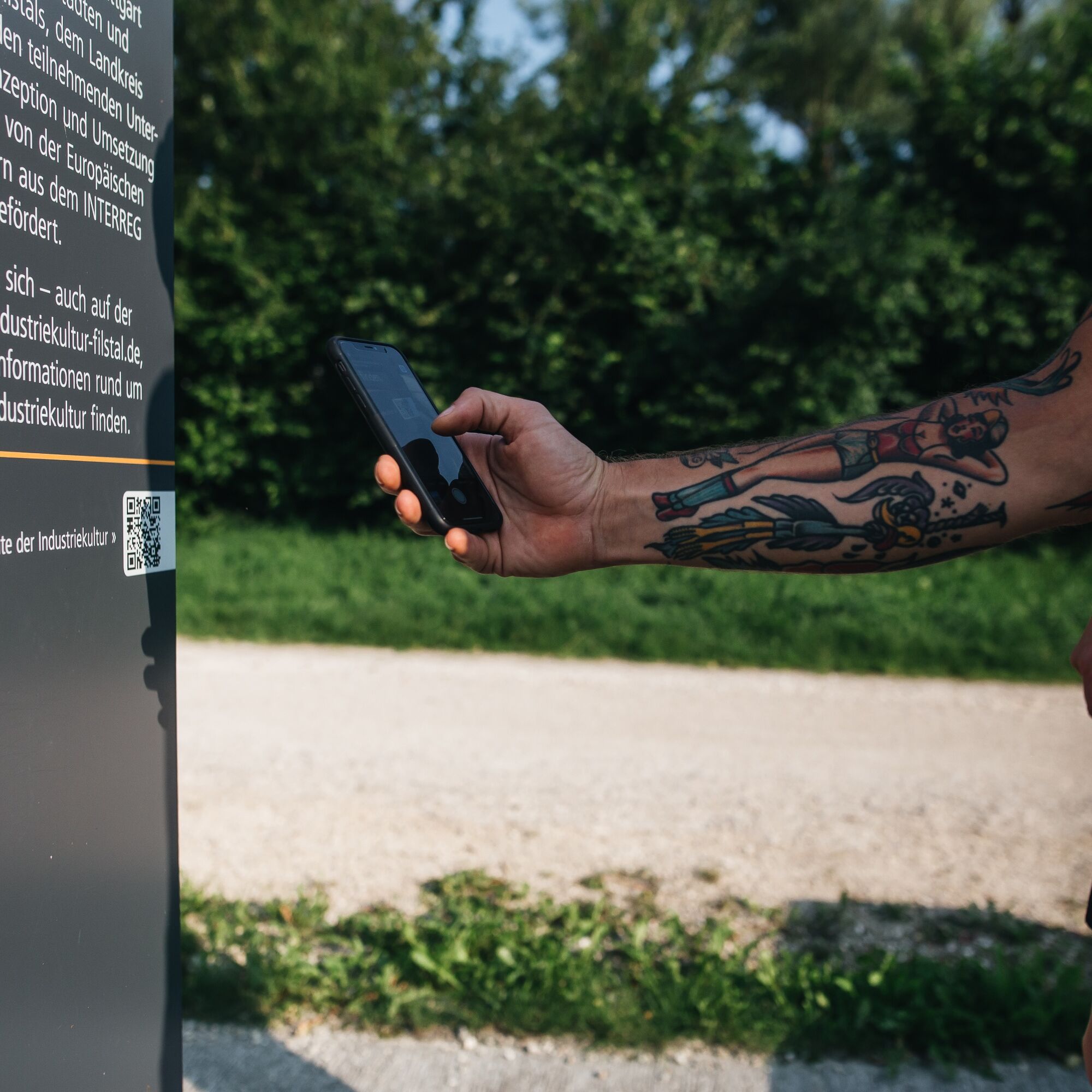
portals at some railway stations industrial culture info stations along the cycle path steles at the anchor points
Oblíbené prohlídky v okolí
-
4.5
Lion Trail "Orchid Trail" - Herbs, pasqueflowers, and juniper heaths
středníTuristika 9.33 km -
4.9
Lion Trail "Staufer Loop" — Following in Barbarossa's Footsteps Against a Dreamlike Backdrop
středníTuristika 11.3 km -
5.0
Lion trail "Berta-Hörnle-Tour" - castle stories in a dreamlike setting
heavyTuristika 14.7 km -
5.0
Lion Trail "Heroes' Tour" — The Crowning Stage of the Lion Trails
heavyTuristika 23.6 km -
4.4
Löwenpfad "Geislinger Felsen-Tour" - up and down through the Eybach valley
středníTuristika 10.8 km -
4.5
Lion Trail "Far-Sighted Tour" — High Up and Looking Far Ahead
heavyTuristika 12.0 km -
5.0
Boßler Round
středníTuristika 8.61 km -
4.7
Löwenpfad "Filstalgucker" - views from the heart of the Filstal valley
středníTuristika 13.0 km -
3.7
Löwenpfad "Wasserberg-Runde" - pure panorama and typical Swabian Jura landscapes
heavyTuristika 12.0 km -
3.7
Three Emperors' Mountains Loop Hike
heavyTuristika 25.8 km
Pěší turistika a stopování

Nenechte si ujít nabídky a inspiraci pro vaši příští dovolenou
Vaše e-mailová adresa byl přidán do poštovního seznamu.