



Eastern route | German Timber-Frame Road: From the Neckar to Lake Constance - eastern variant
Úroveň obtížnosti: 3
About 560 km are covered on the route from Ladenburg to Meersburg. The nine stages lead along an eastern route from the Upper Rhine Plain over the southern foothills of the Odenwald along the Neckar, through...
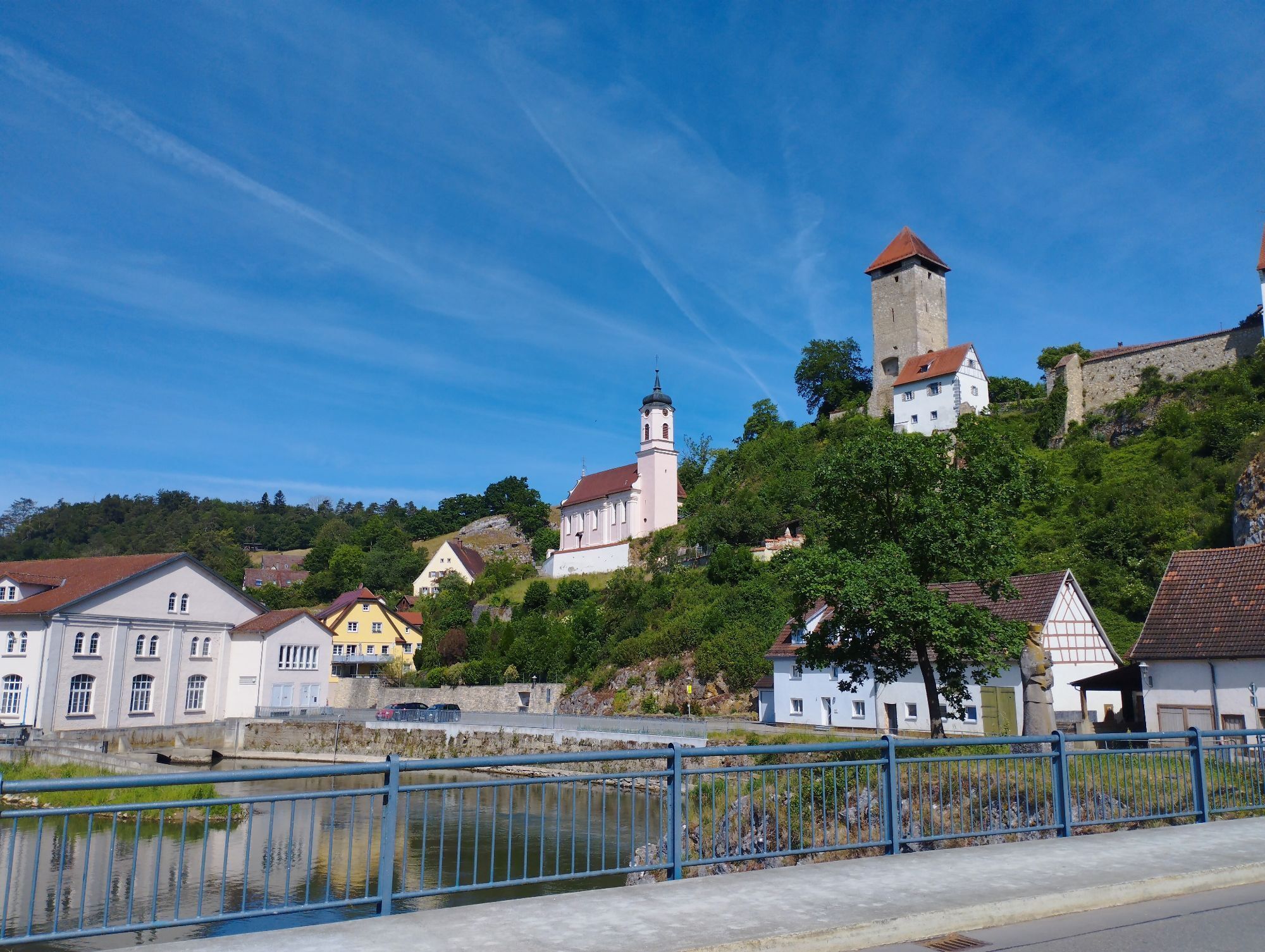
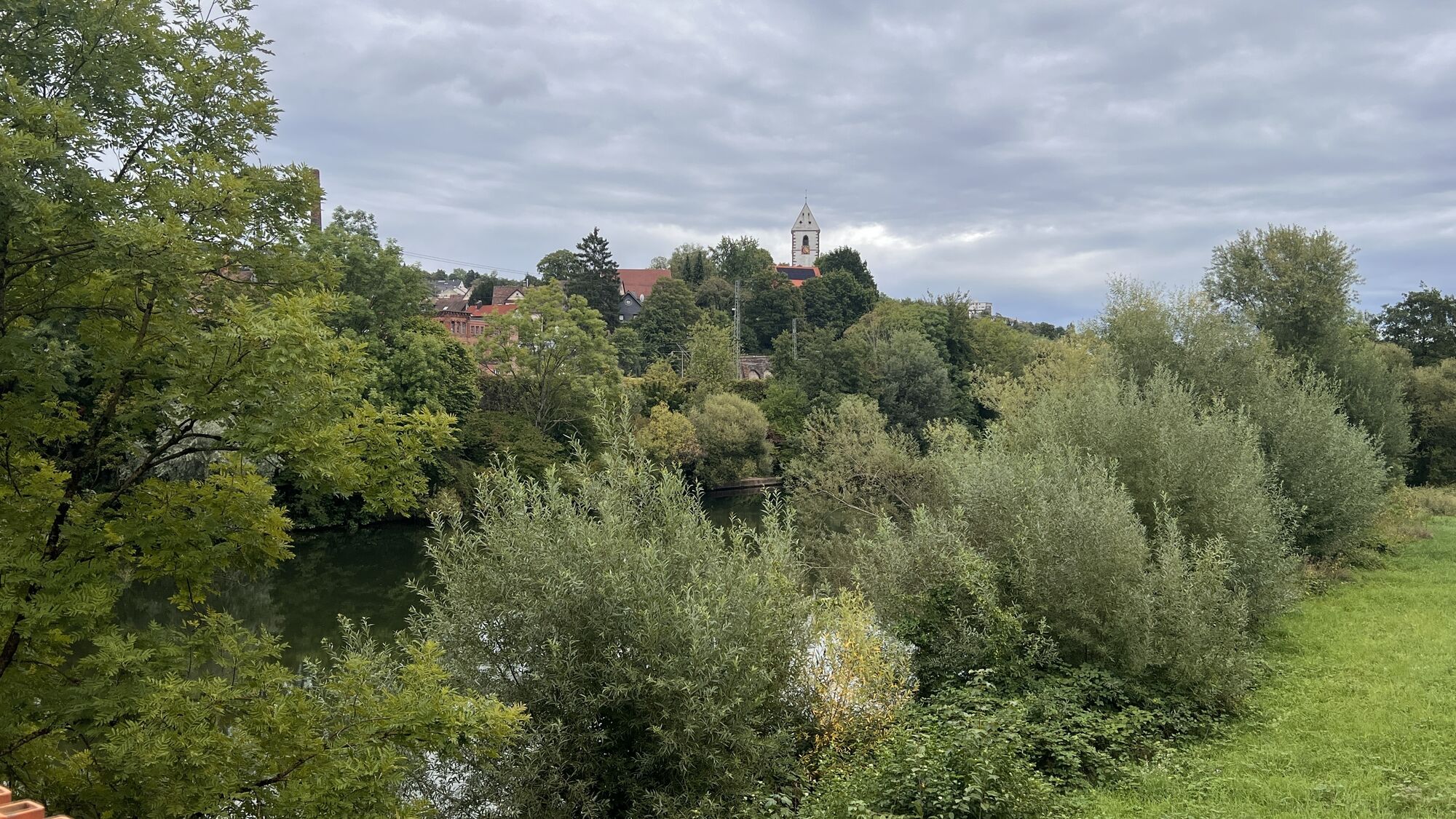
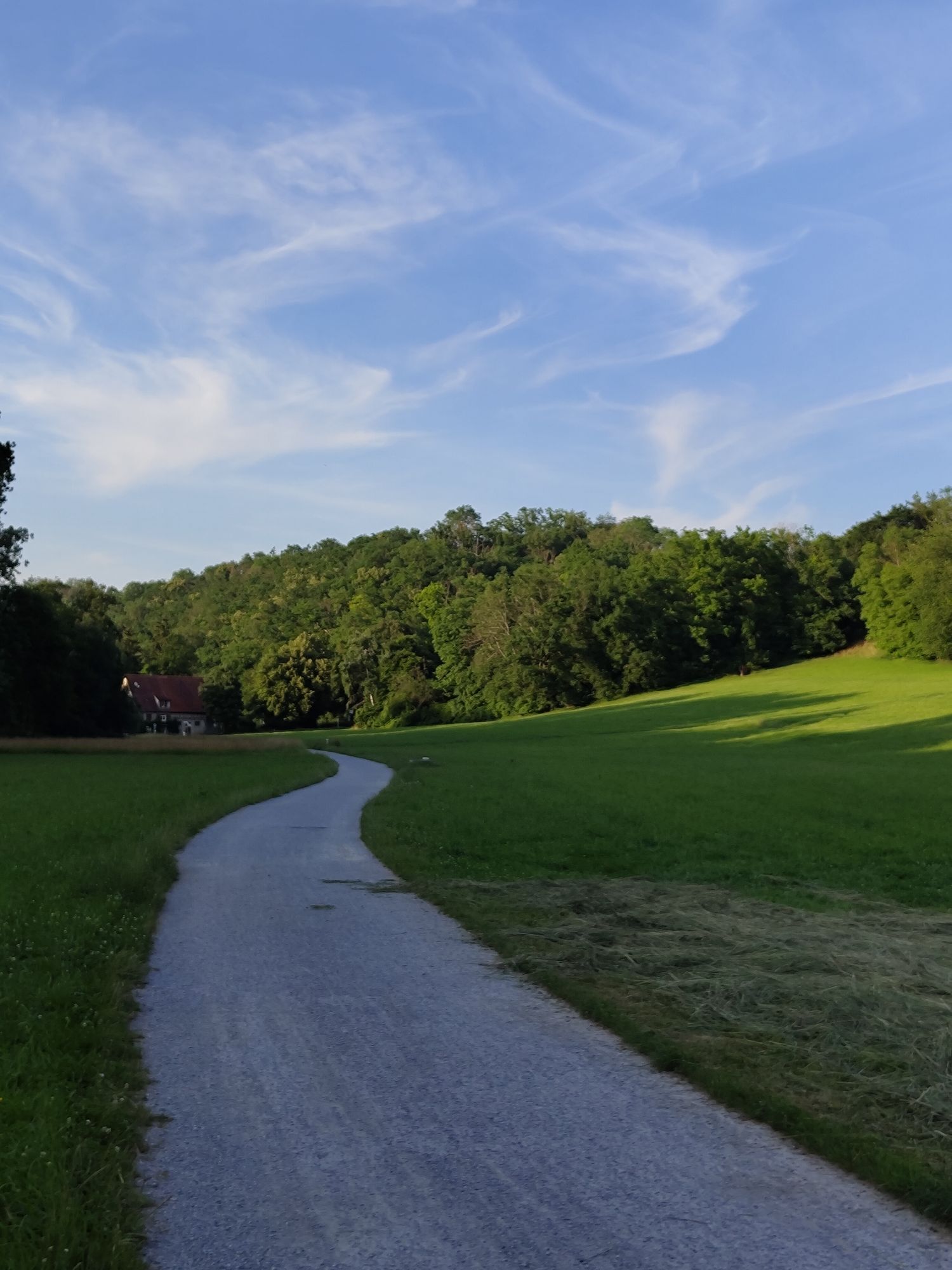
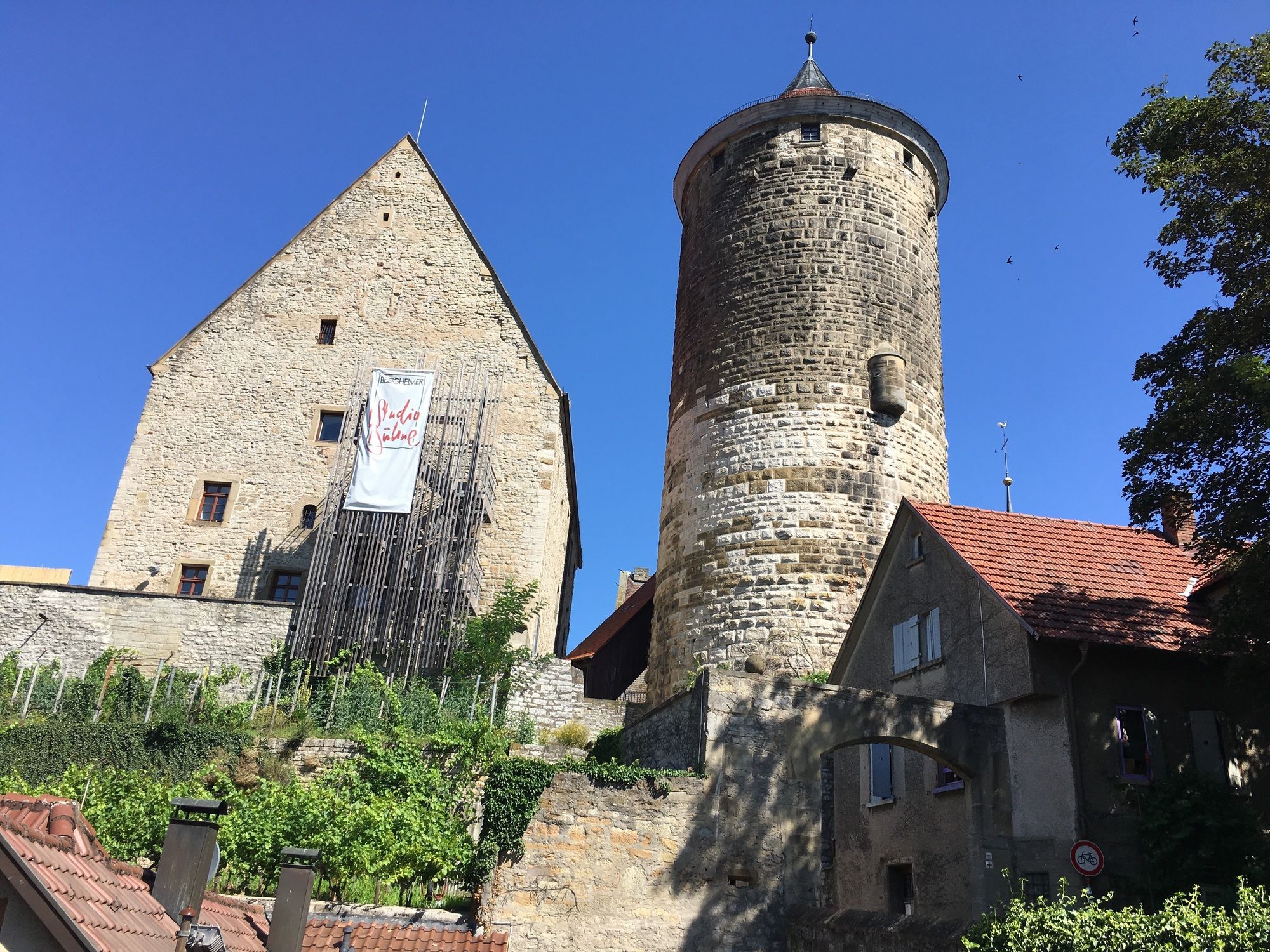
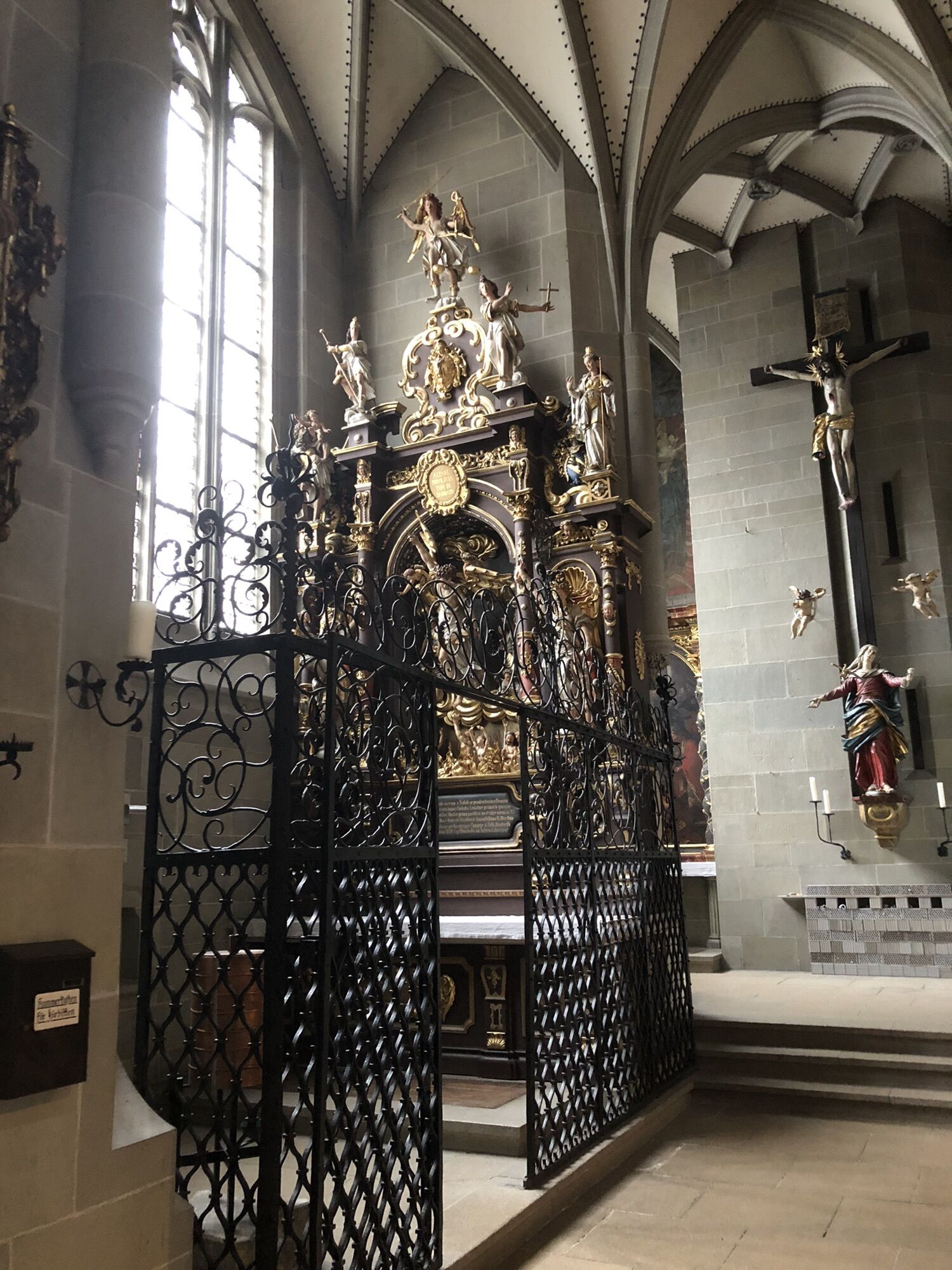
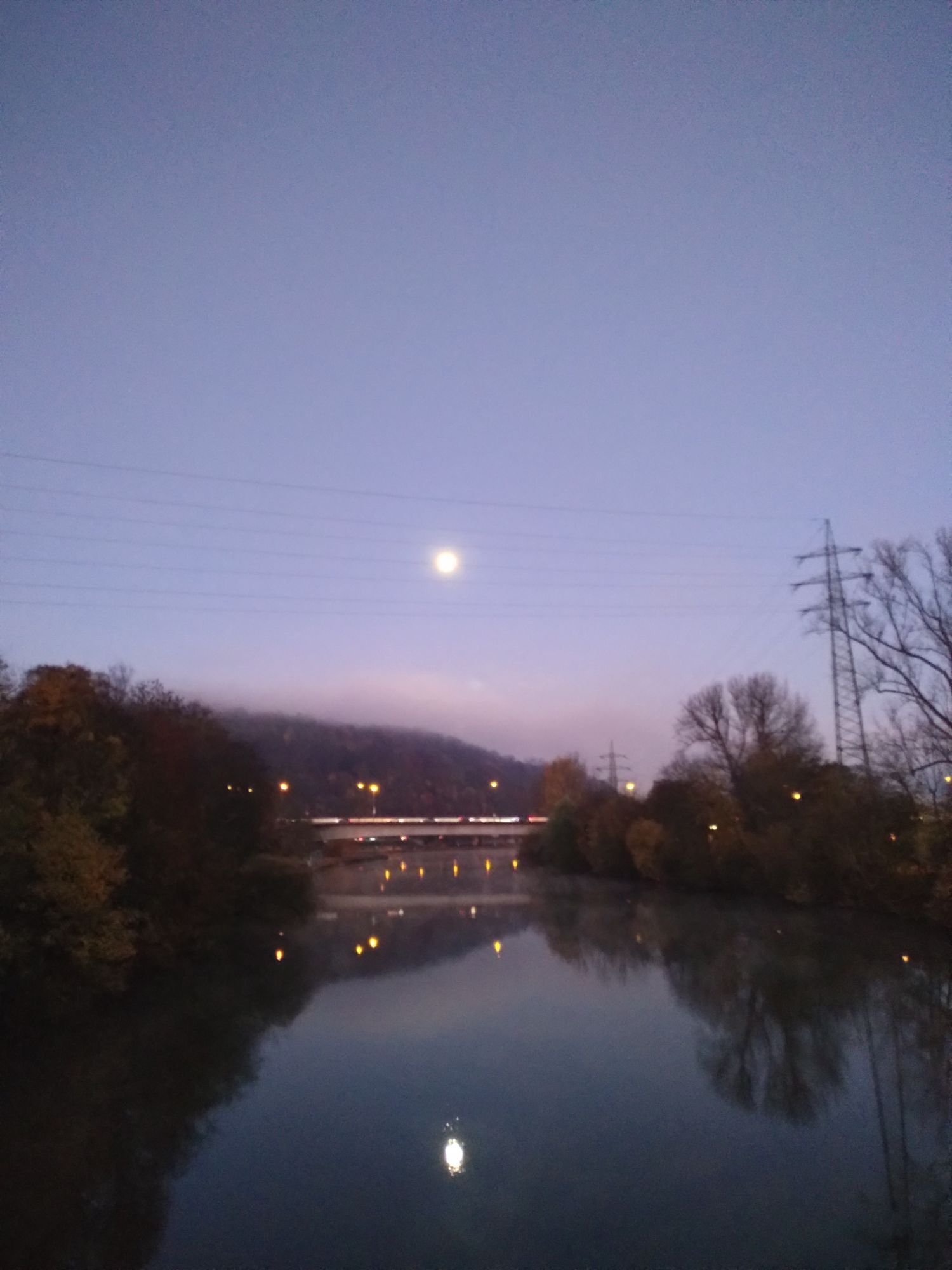
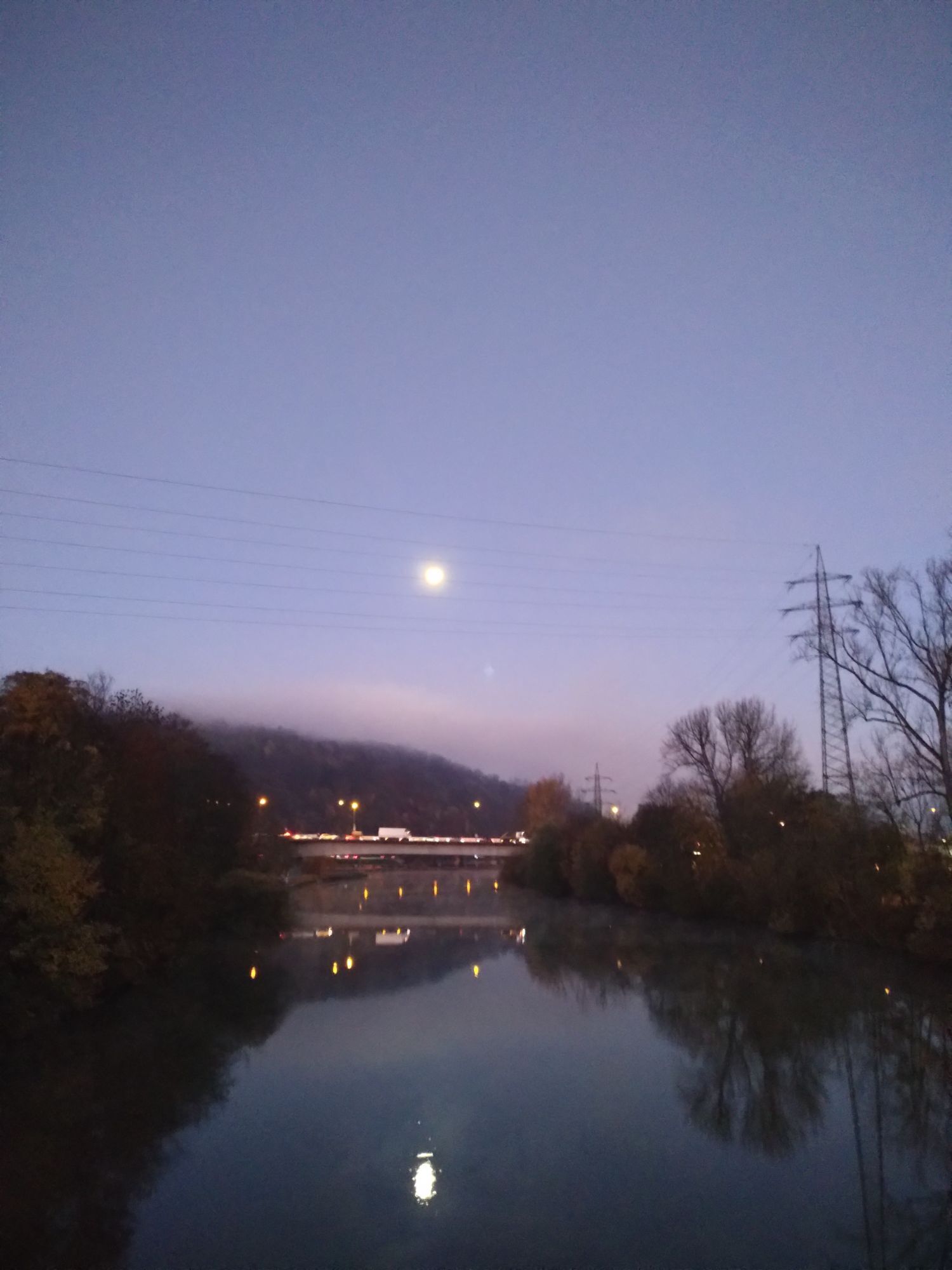
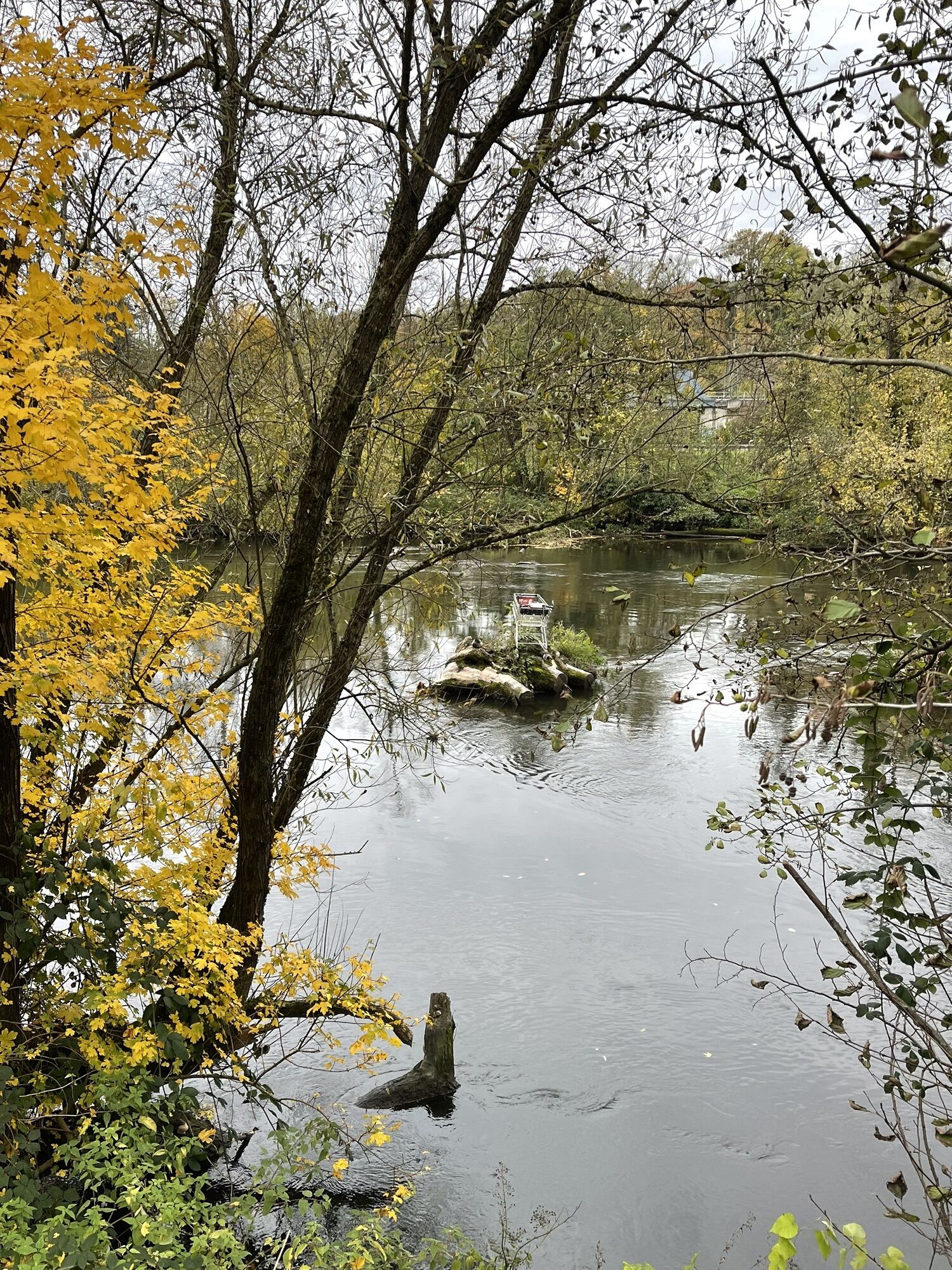
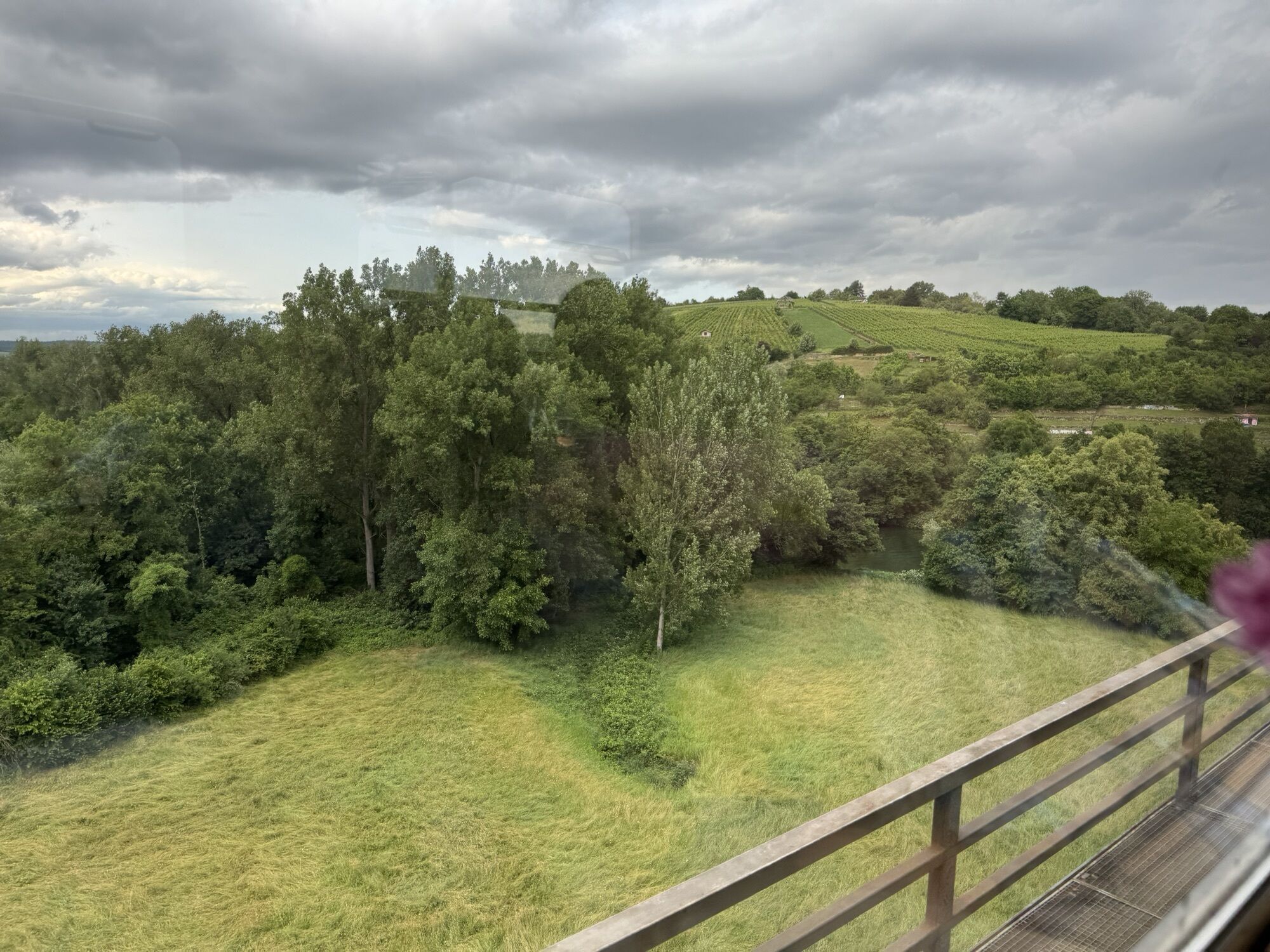
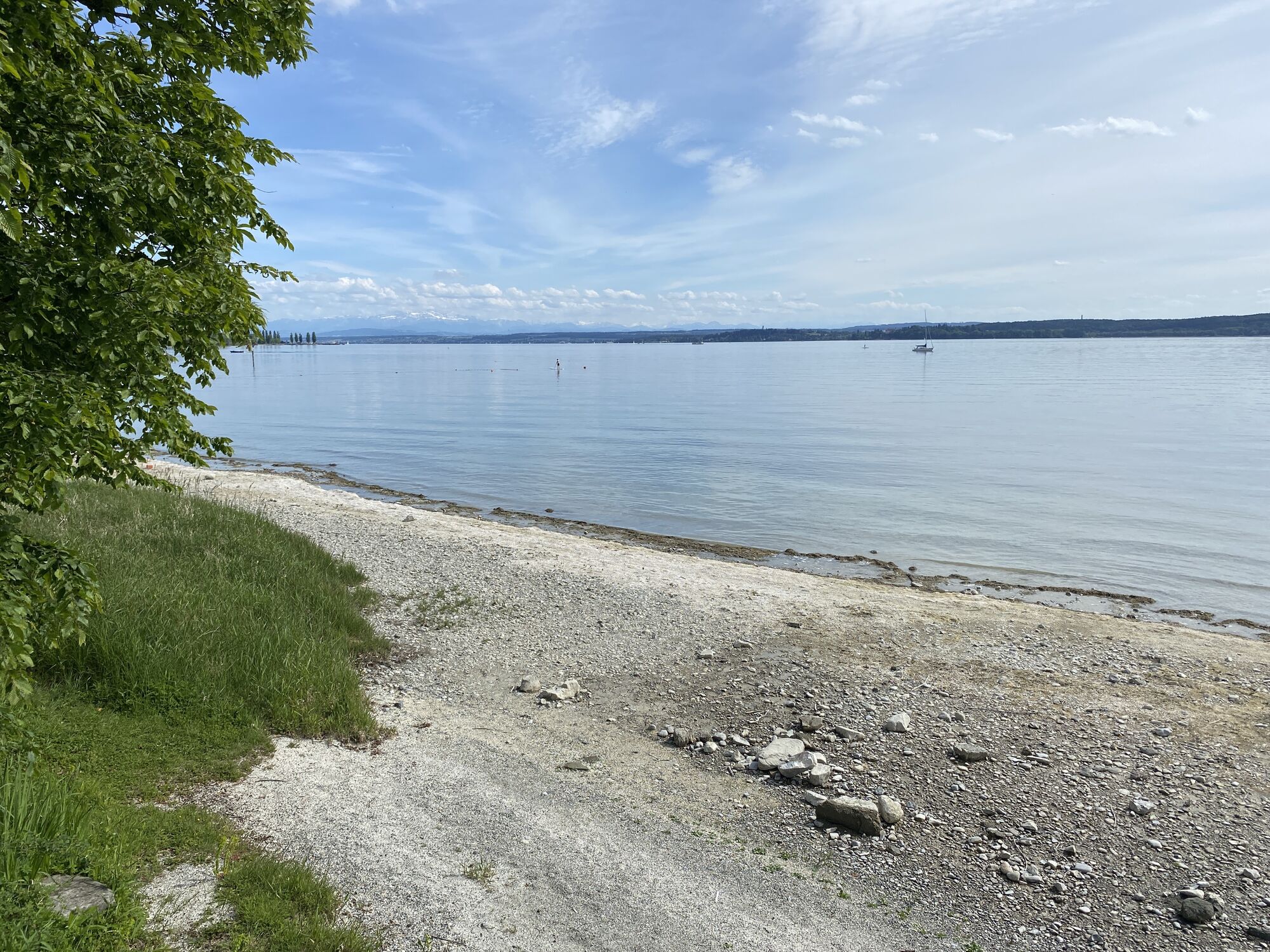
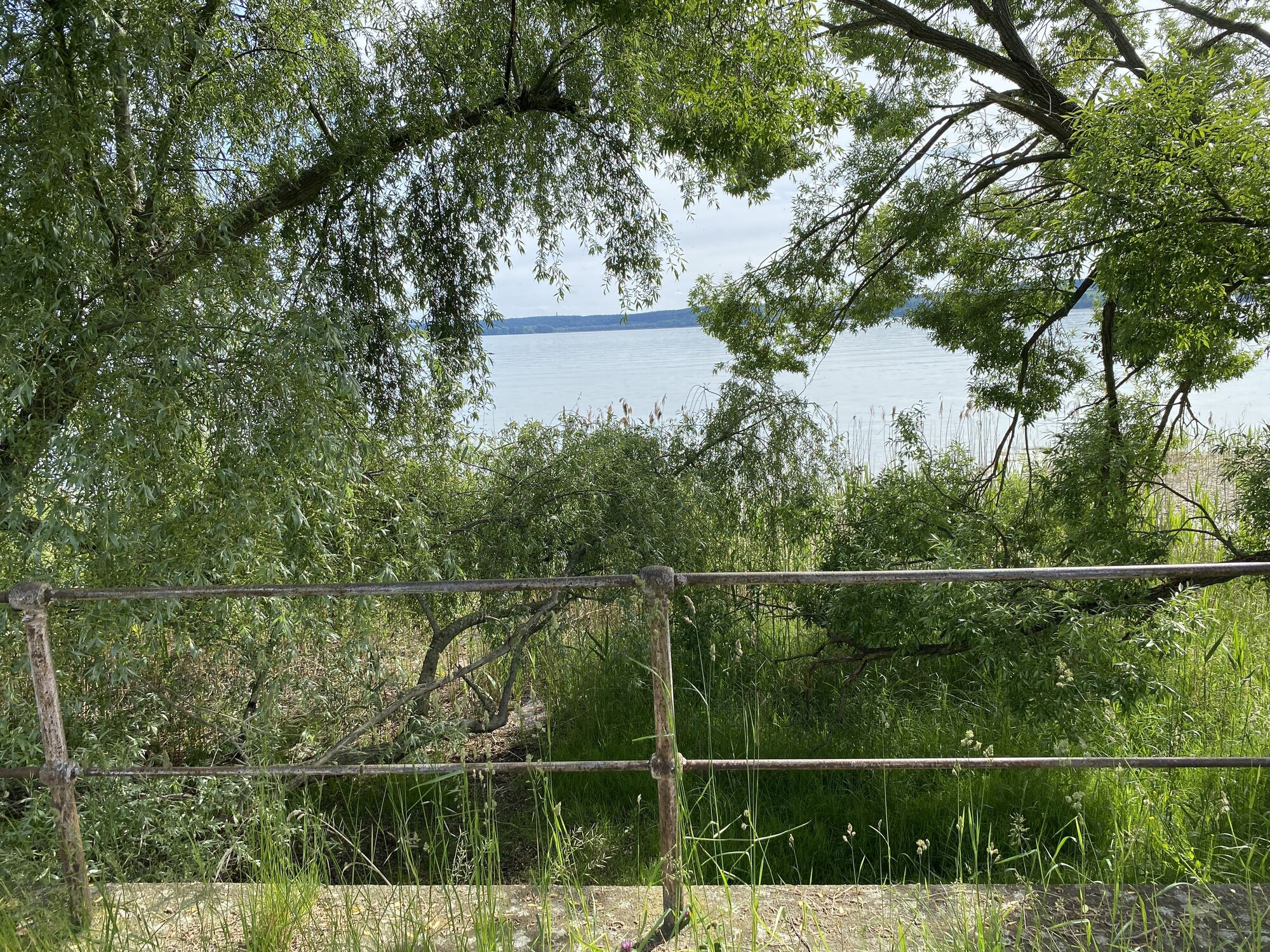
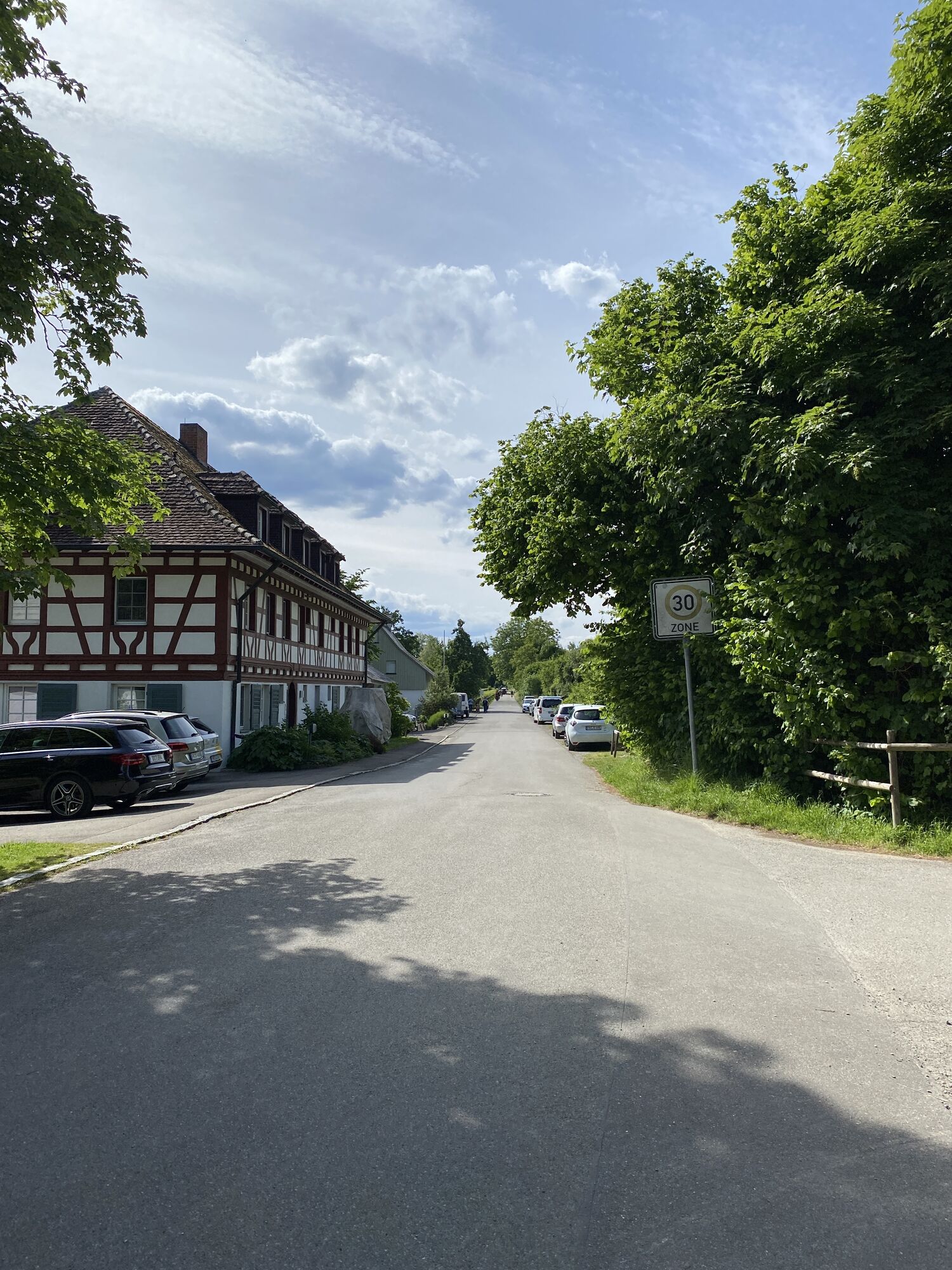
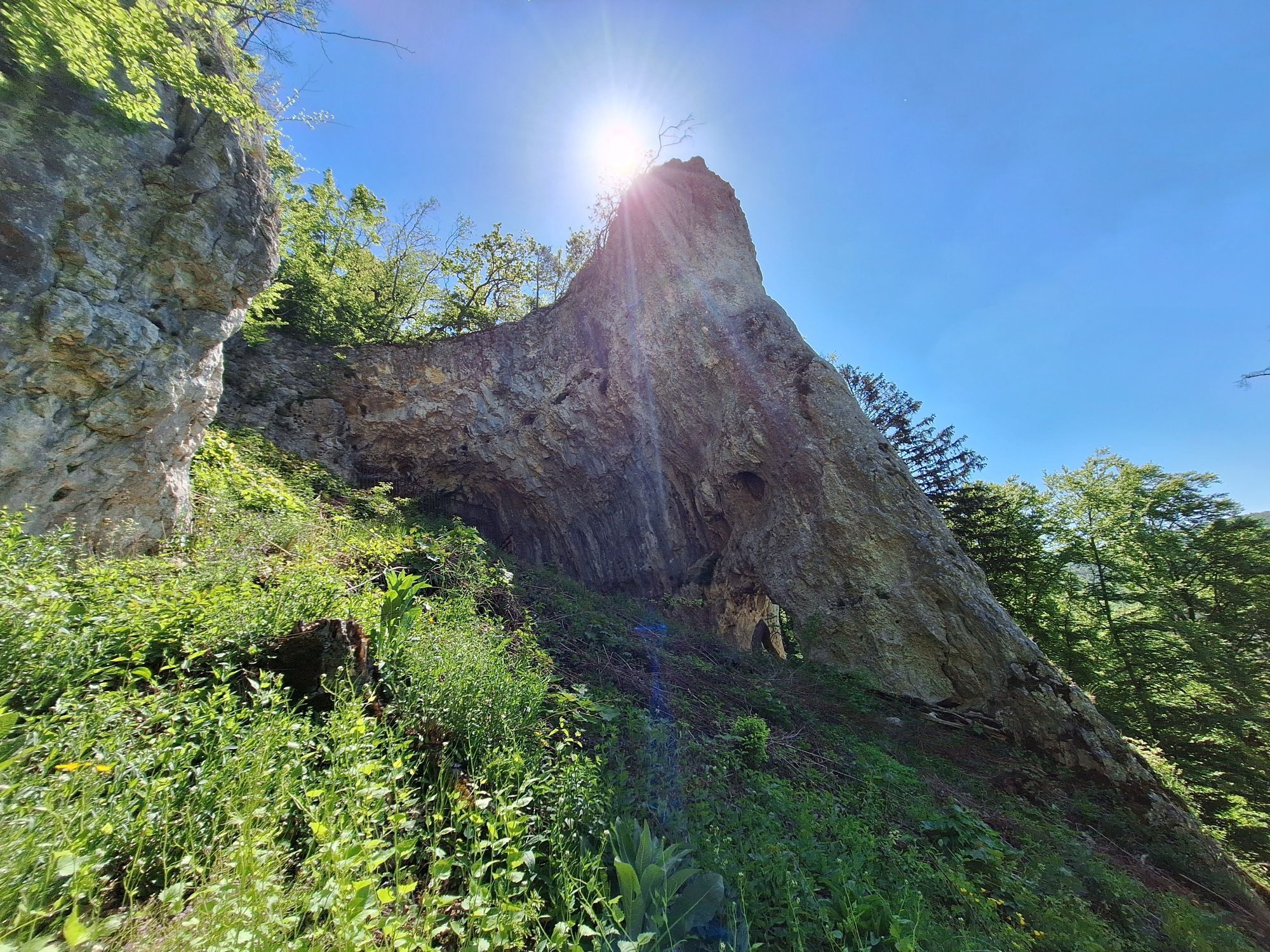
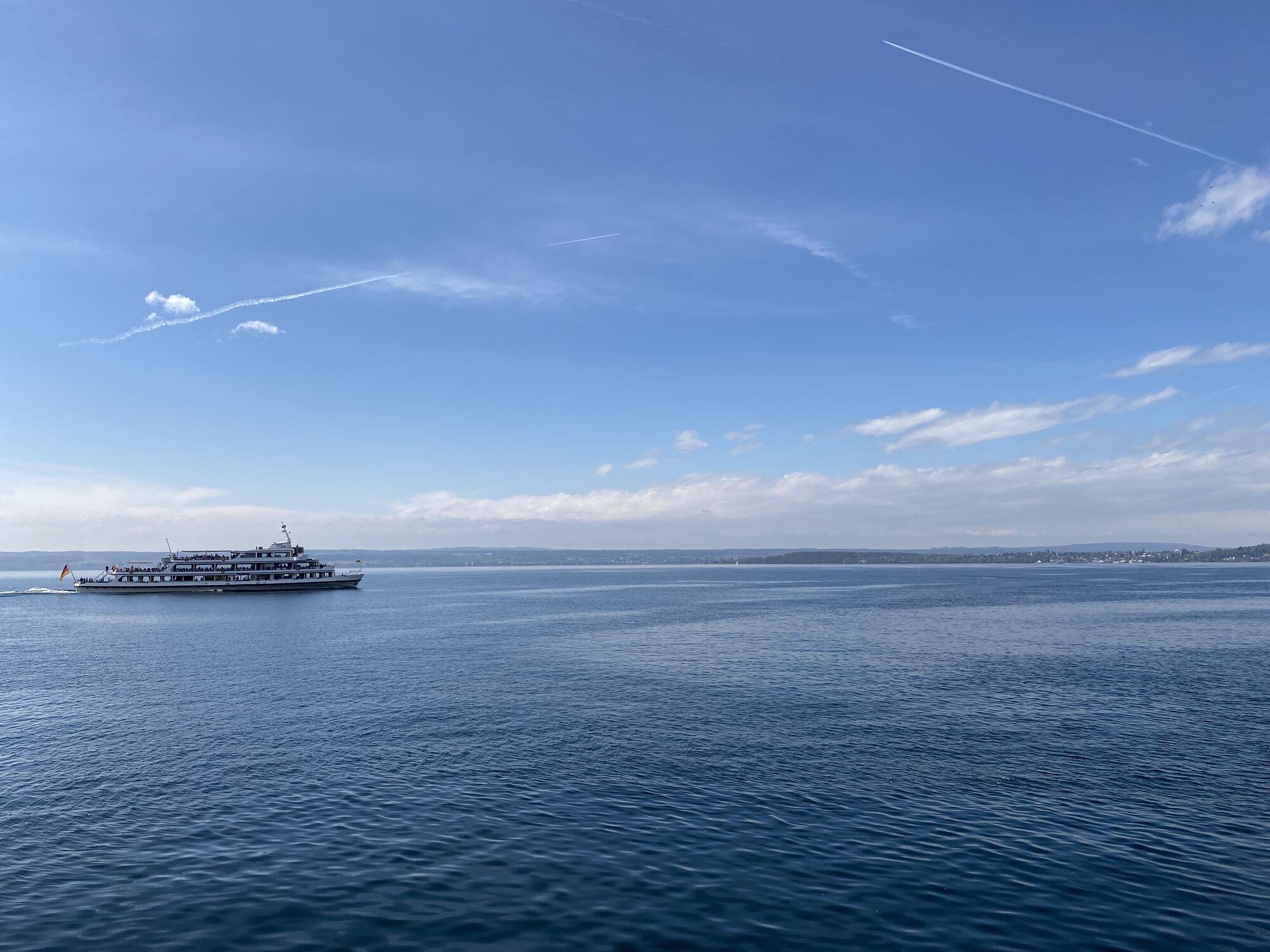
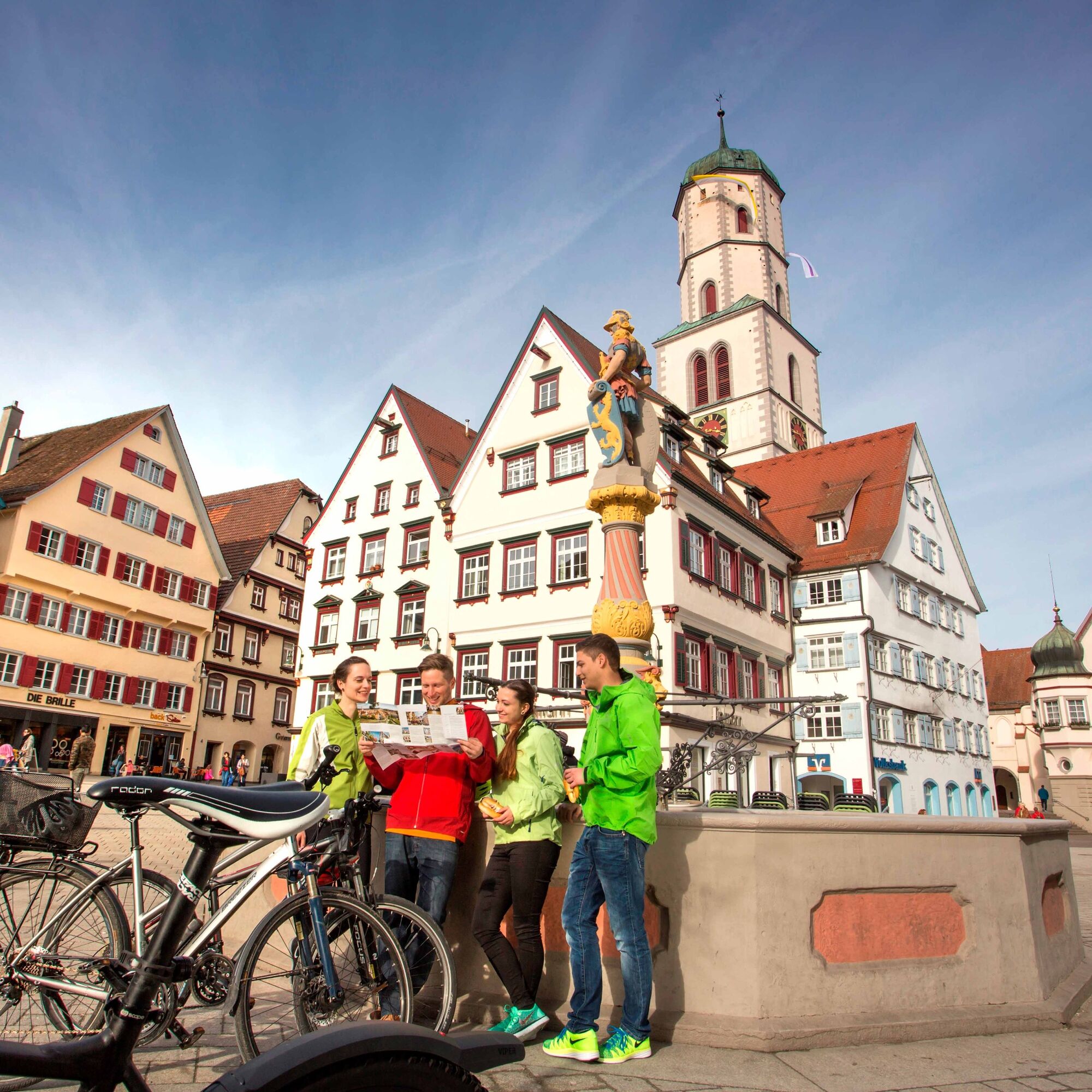
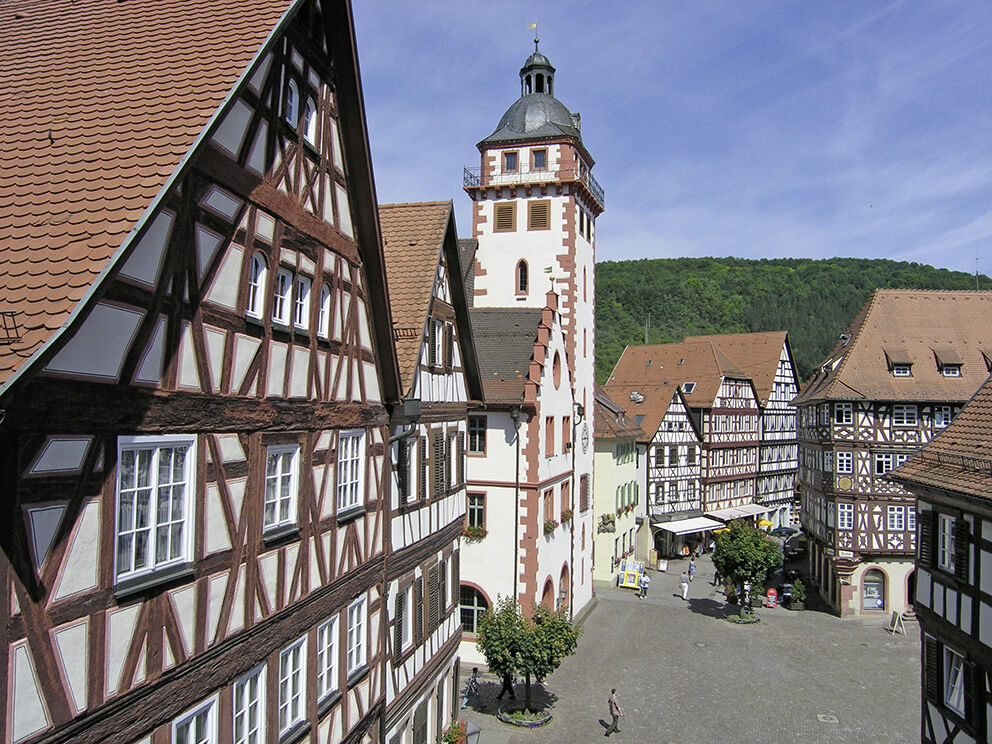
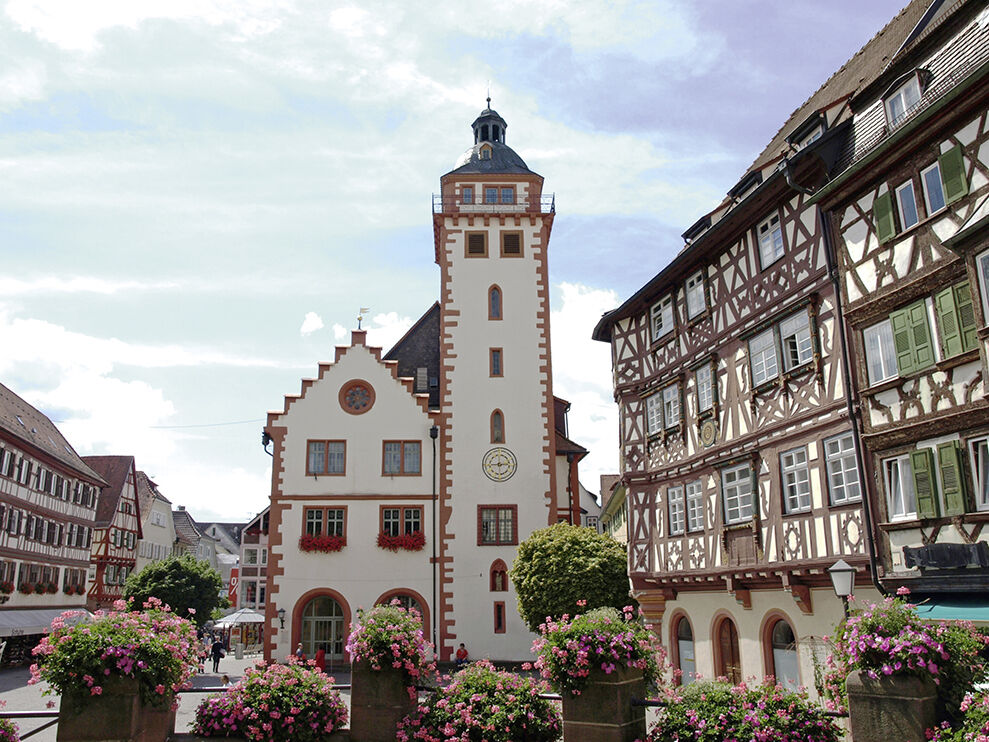
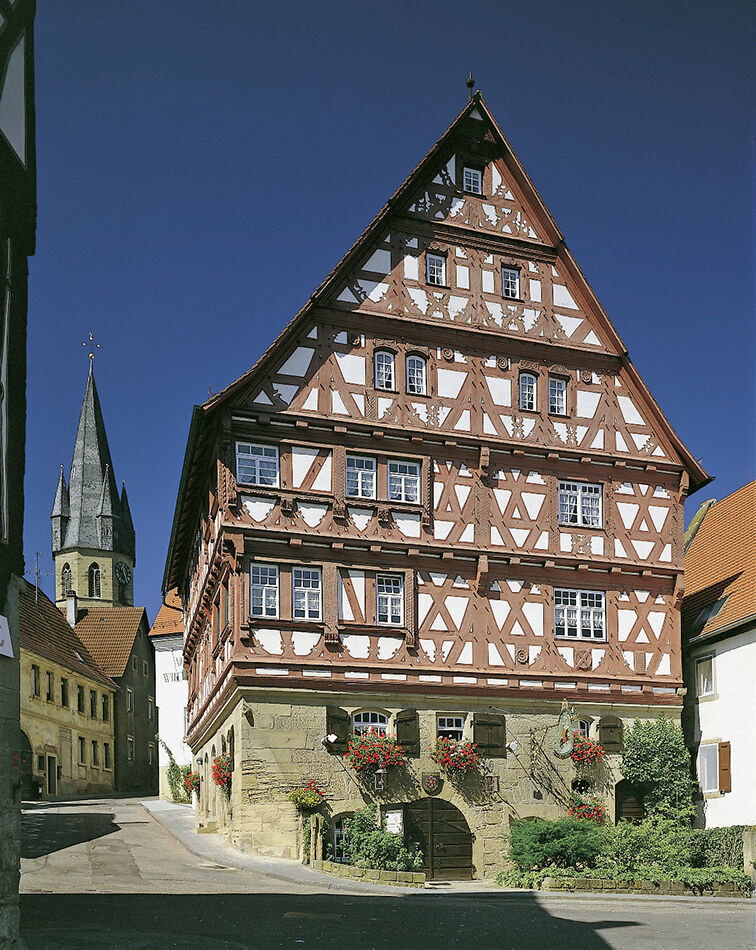
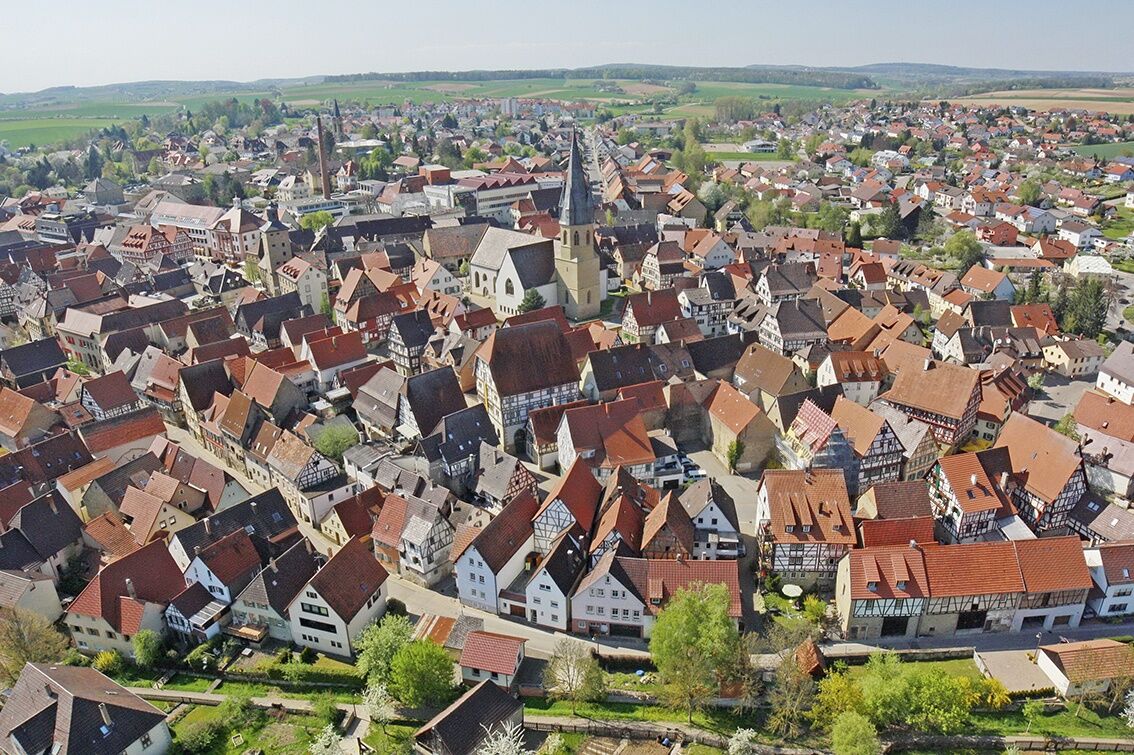
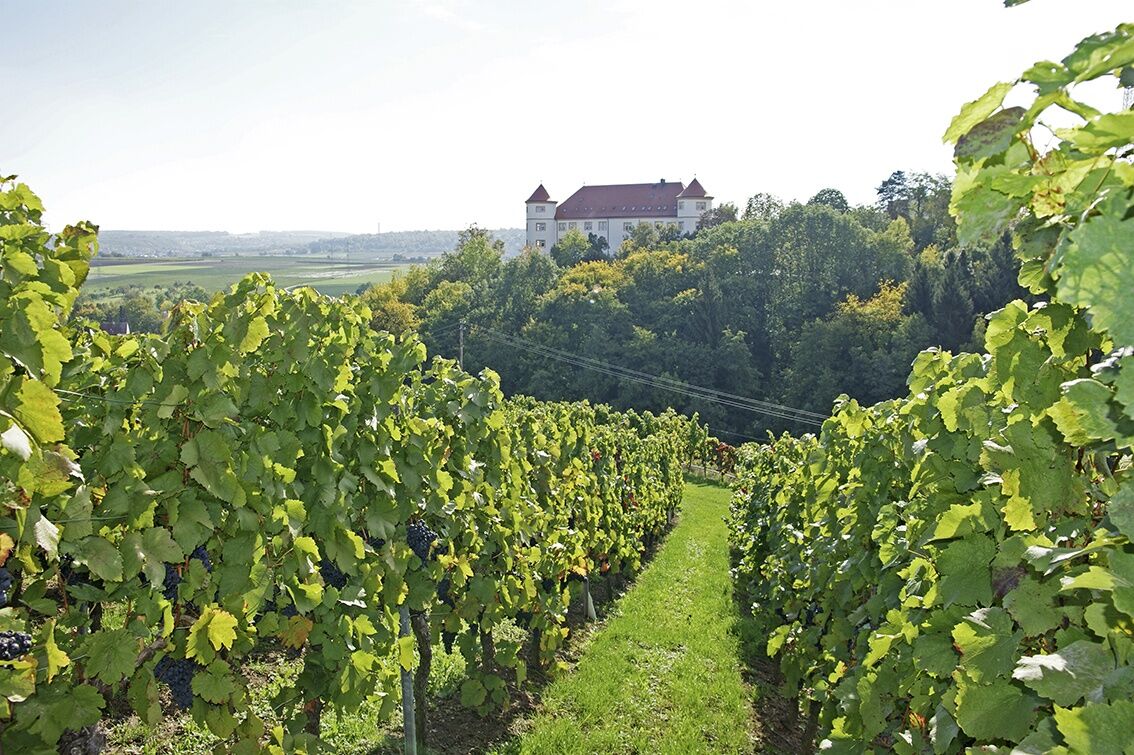
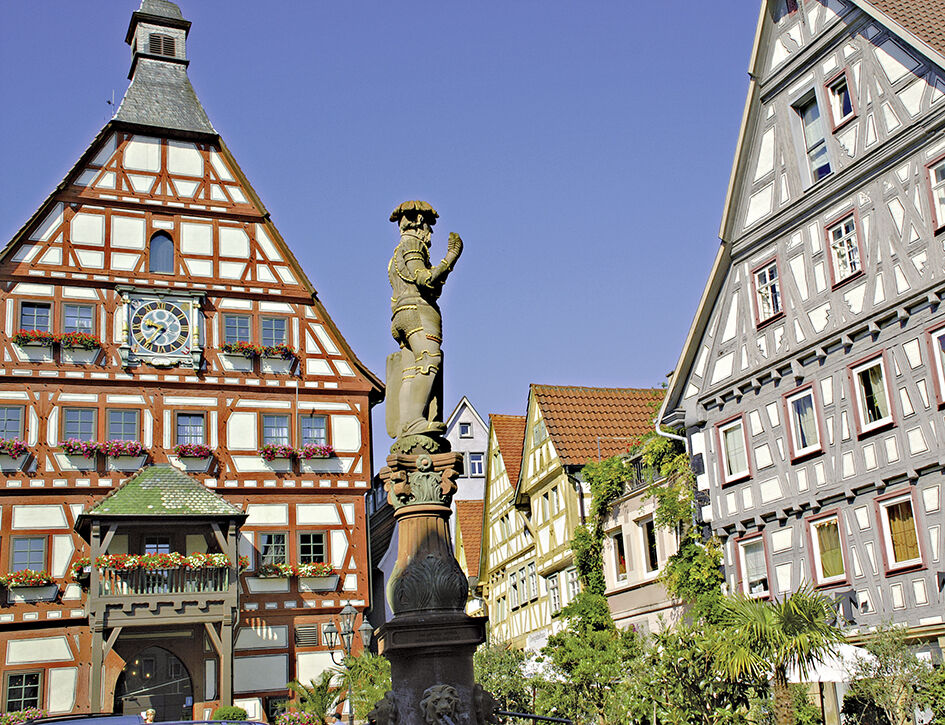
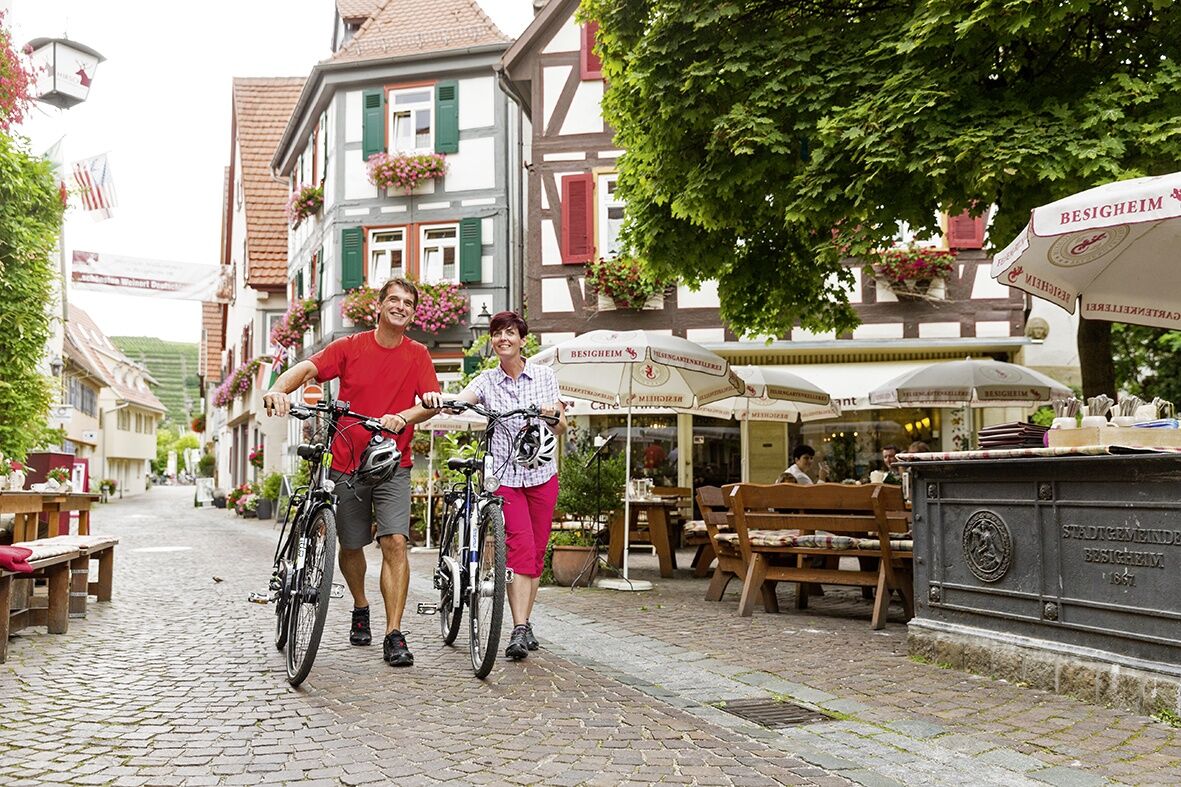
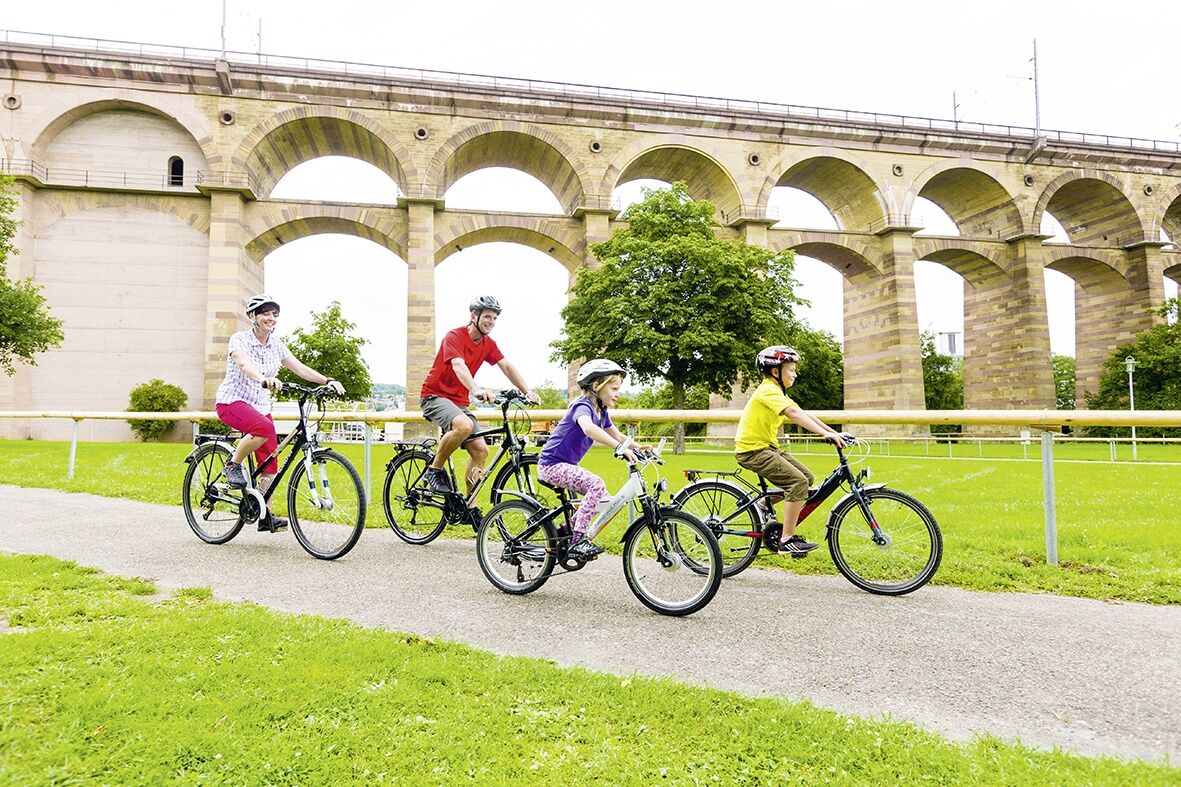
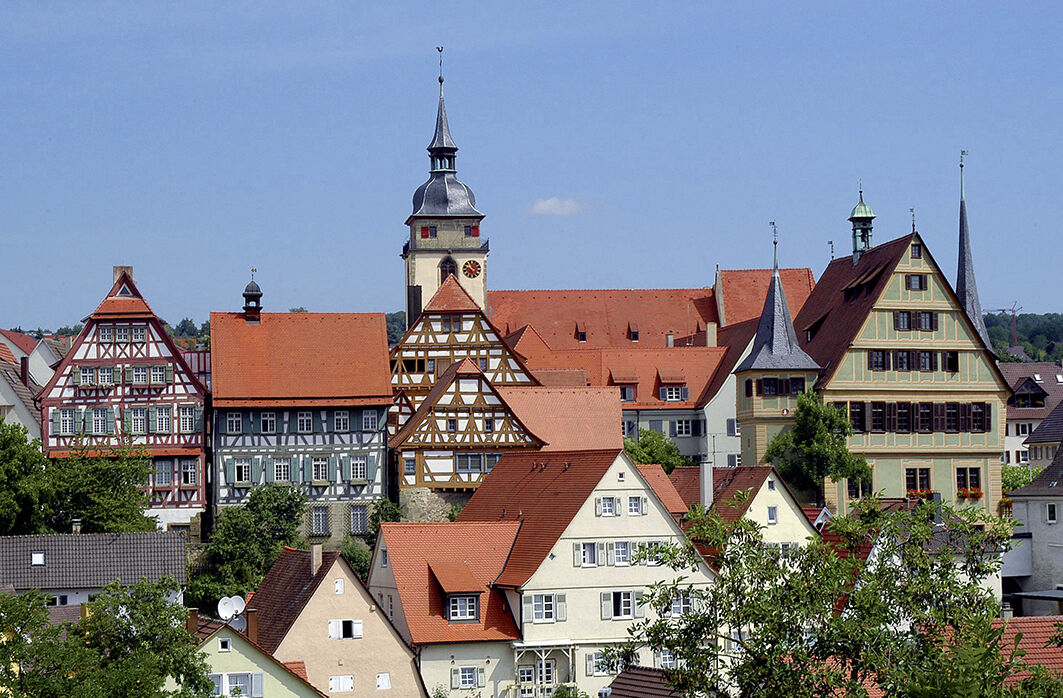
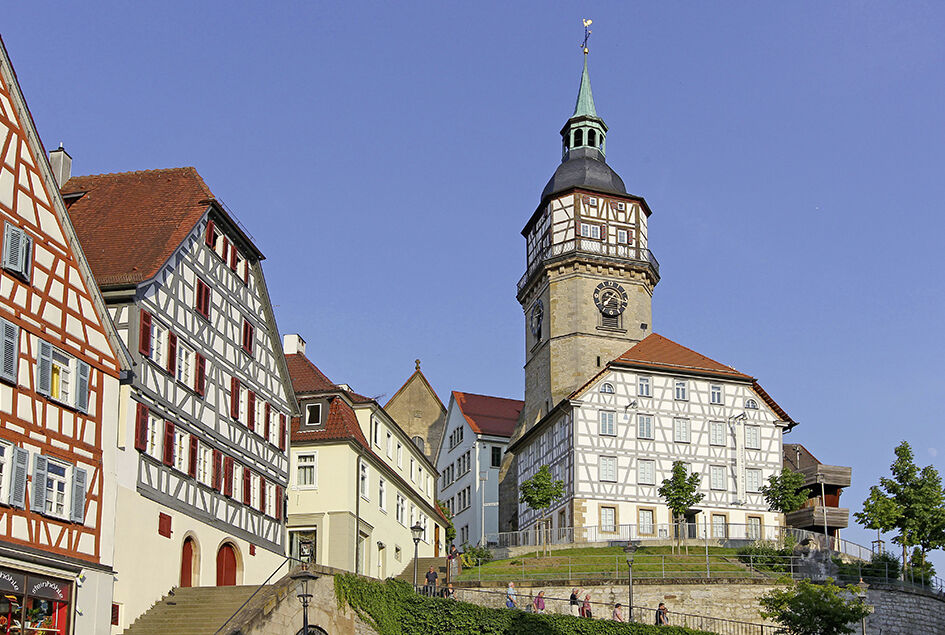
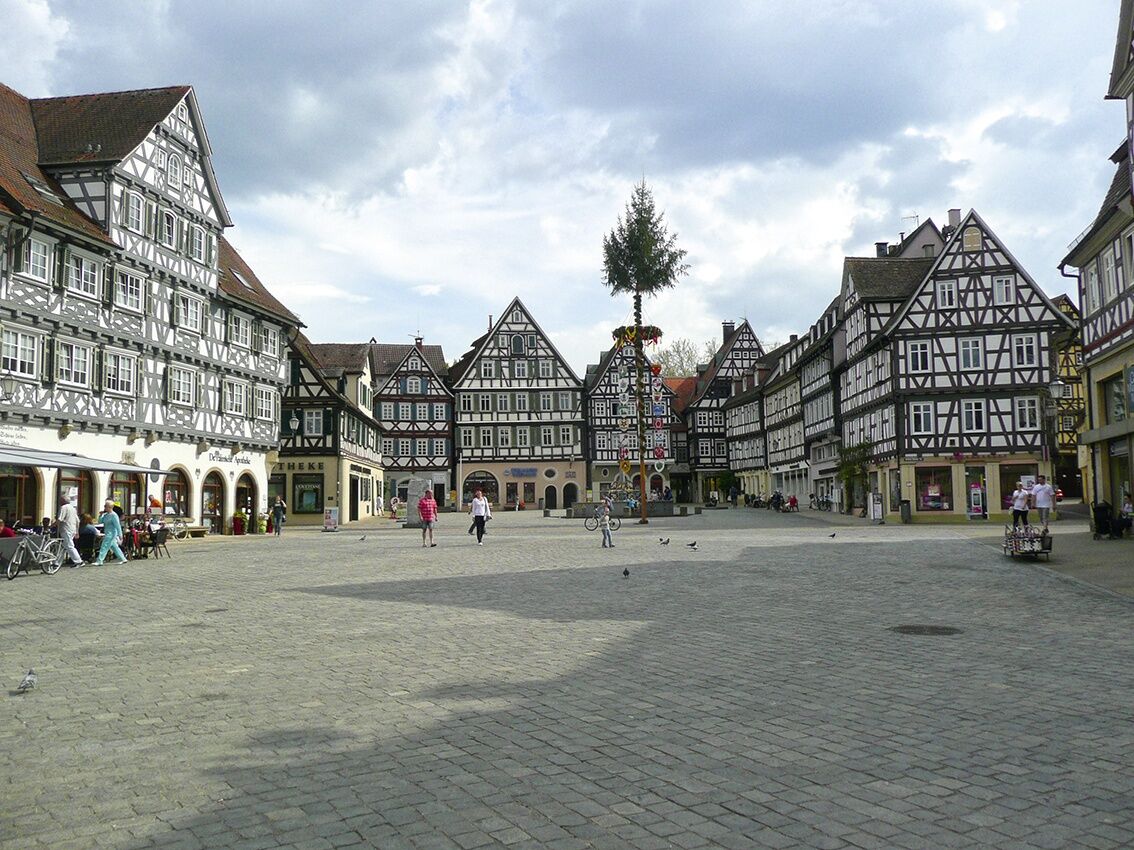
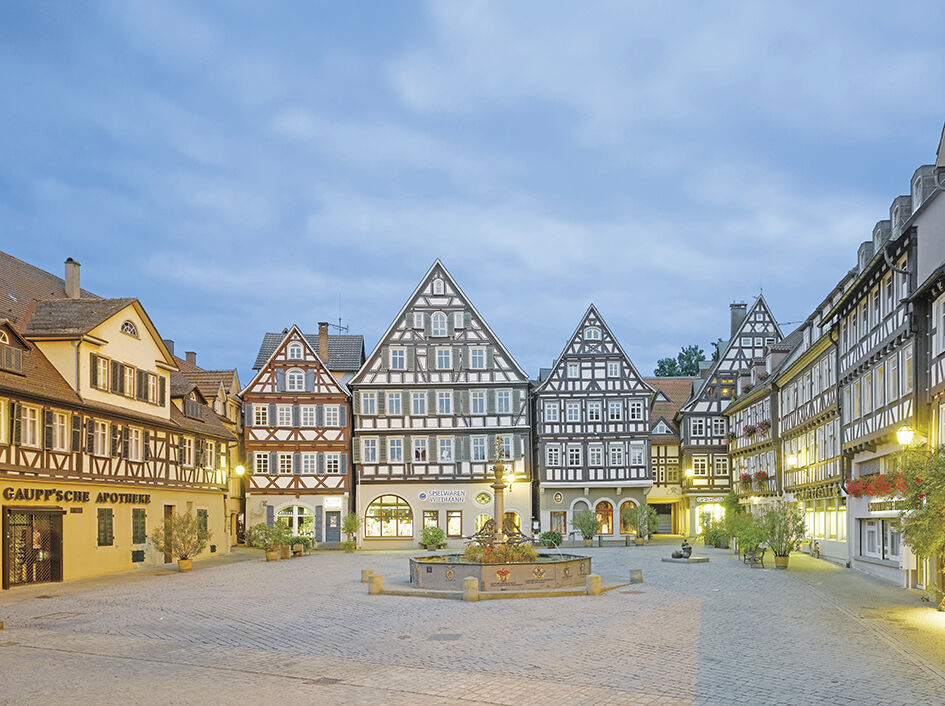
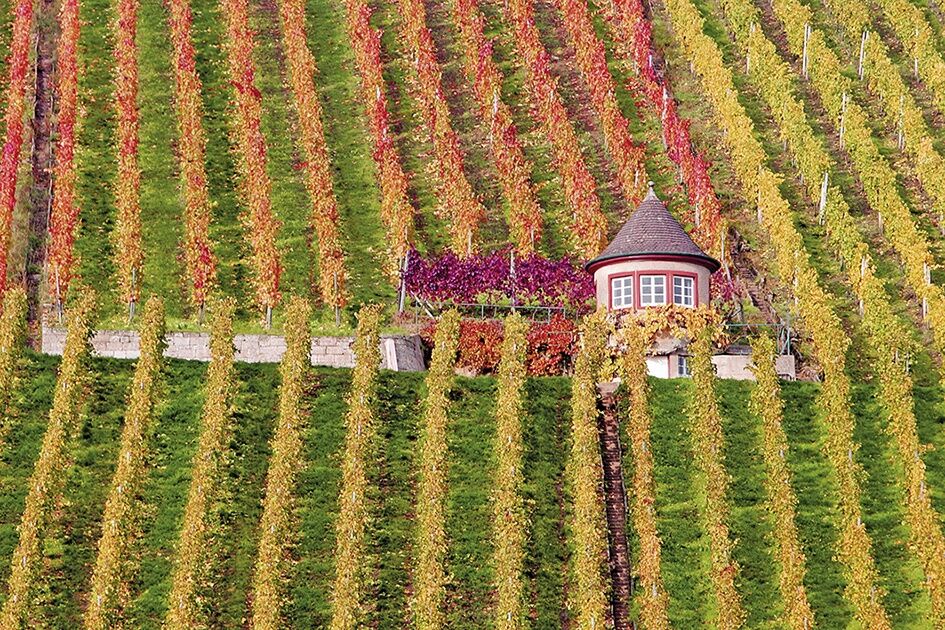
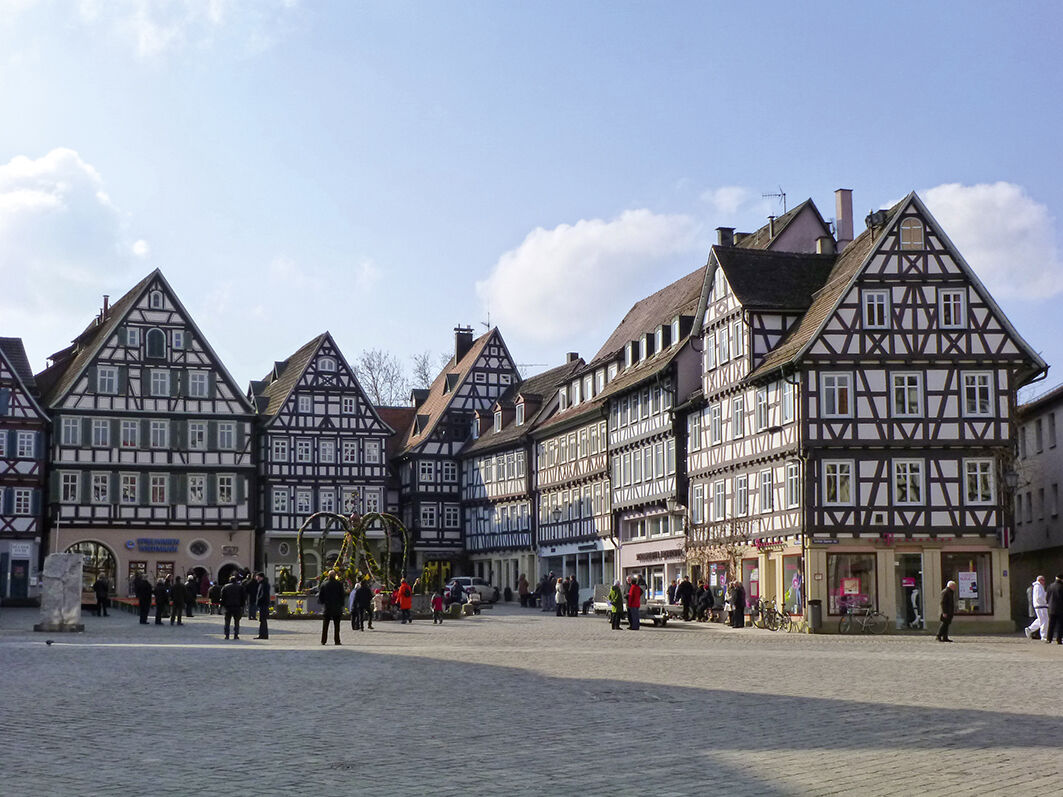
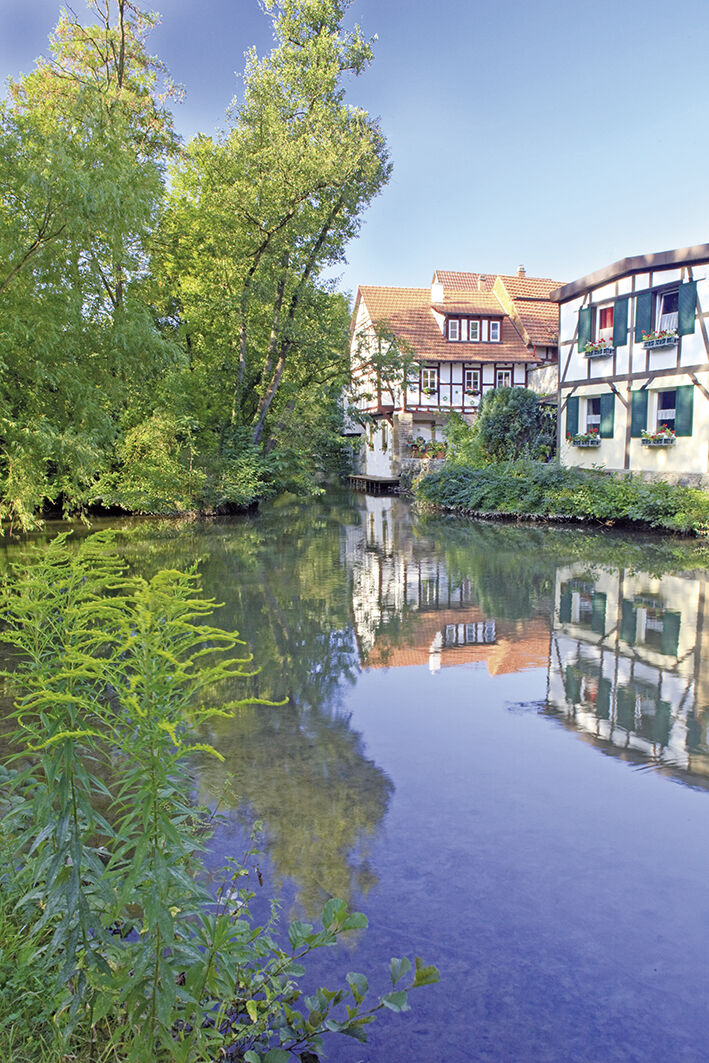
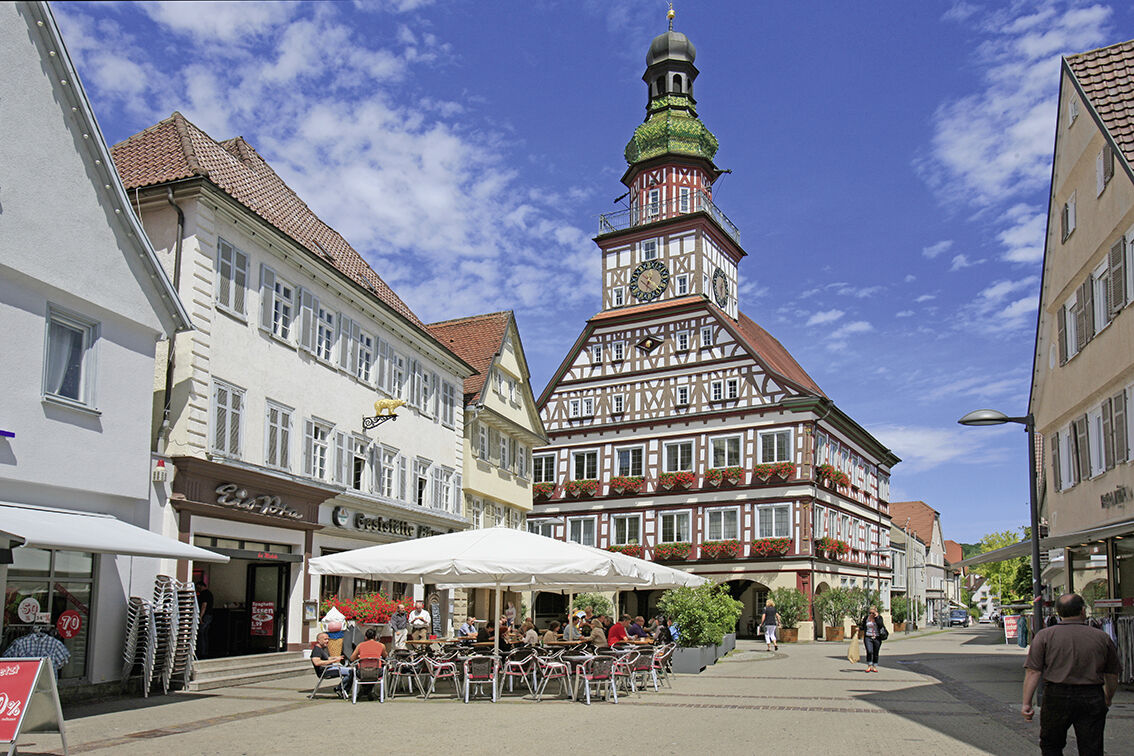
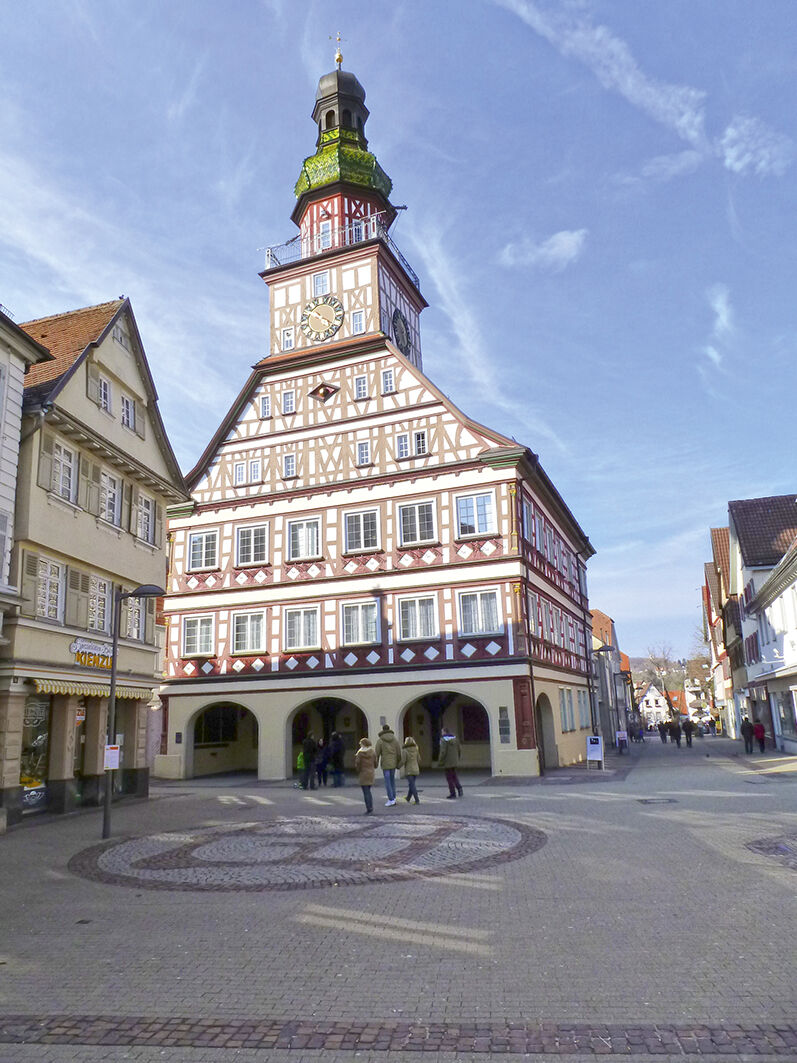
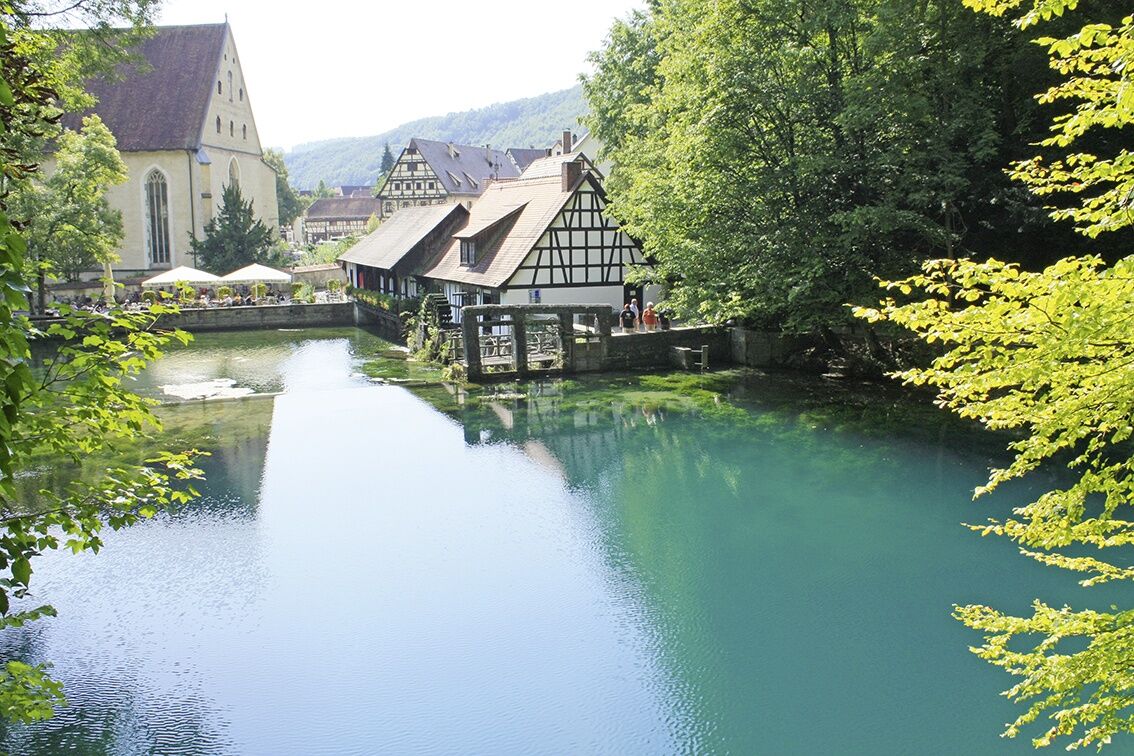
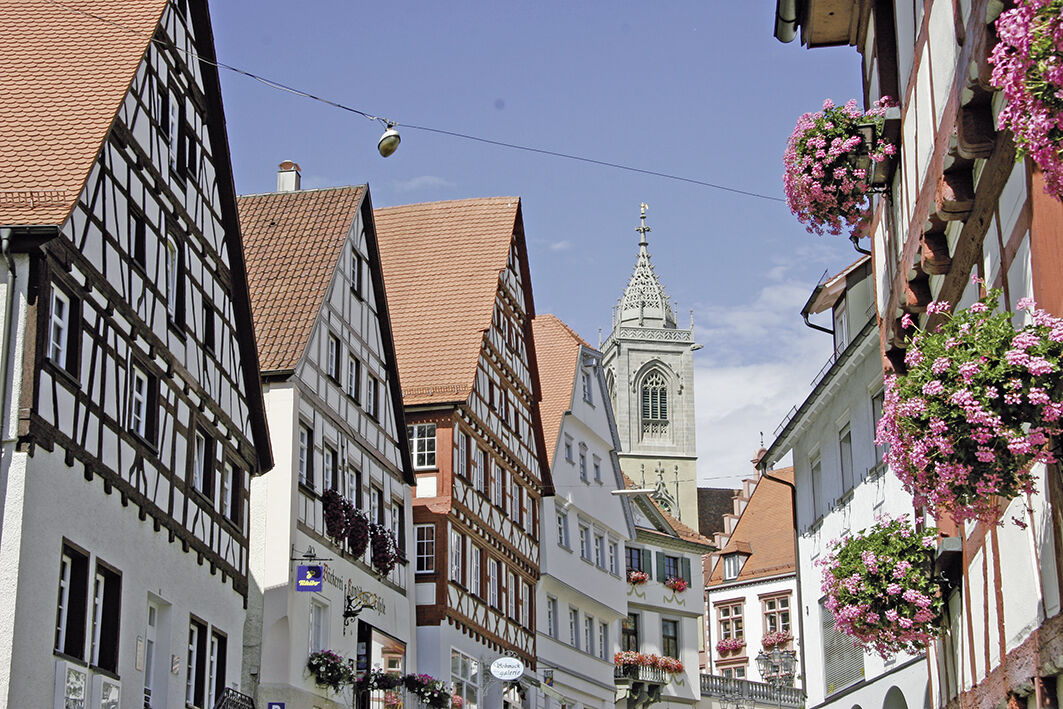
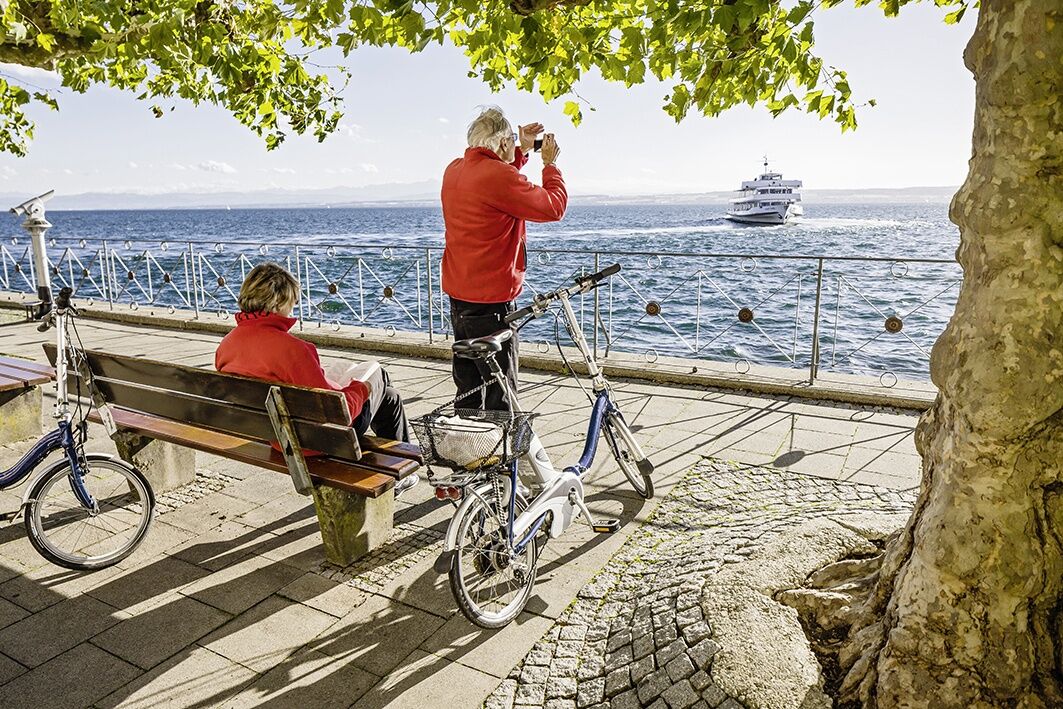
About 560 km are covered on the route from Ladenburg to Meersburg. The nine stages lead along an eastern route from the Upper Rhine Plain over the southern foothills of the Odenwald along the Neckar, through the Rems valley, over the Swabian Jura and through the Danube valley to Lake Constance in southern Germany. The towns and villages along the way impress mainly with their numerous half-timbered buildings. But also some beautiful churches and monasteries as well as mighty castles and impressive palaces are passed. Beautiful resting places by the water and views over the wine-growing areas of southern Germany are repeatedly offered on the riverbanks and lakes. The numerous caves of the Swabian Jura invite you to make excursions, and those interested in culture and history will also find plenty to discover on this long-distance cycle route. Some museums and birthplaces of famous Germans such as Gottlieb Daimler and Friedrich Schiller lie on the way.








1. Ladenburg - Eberbach
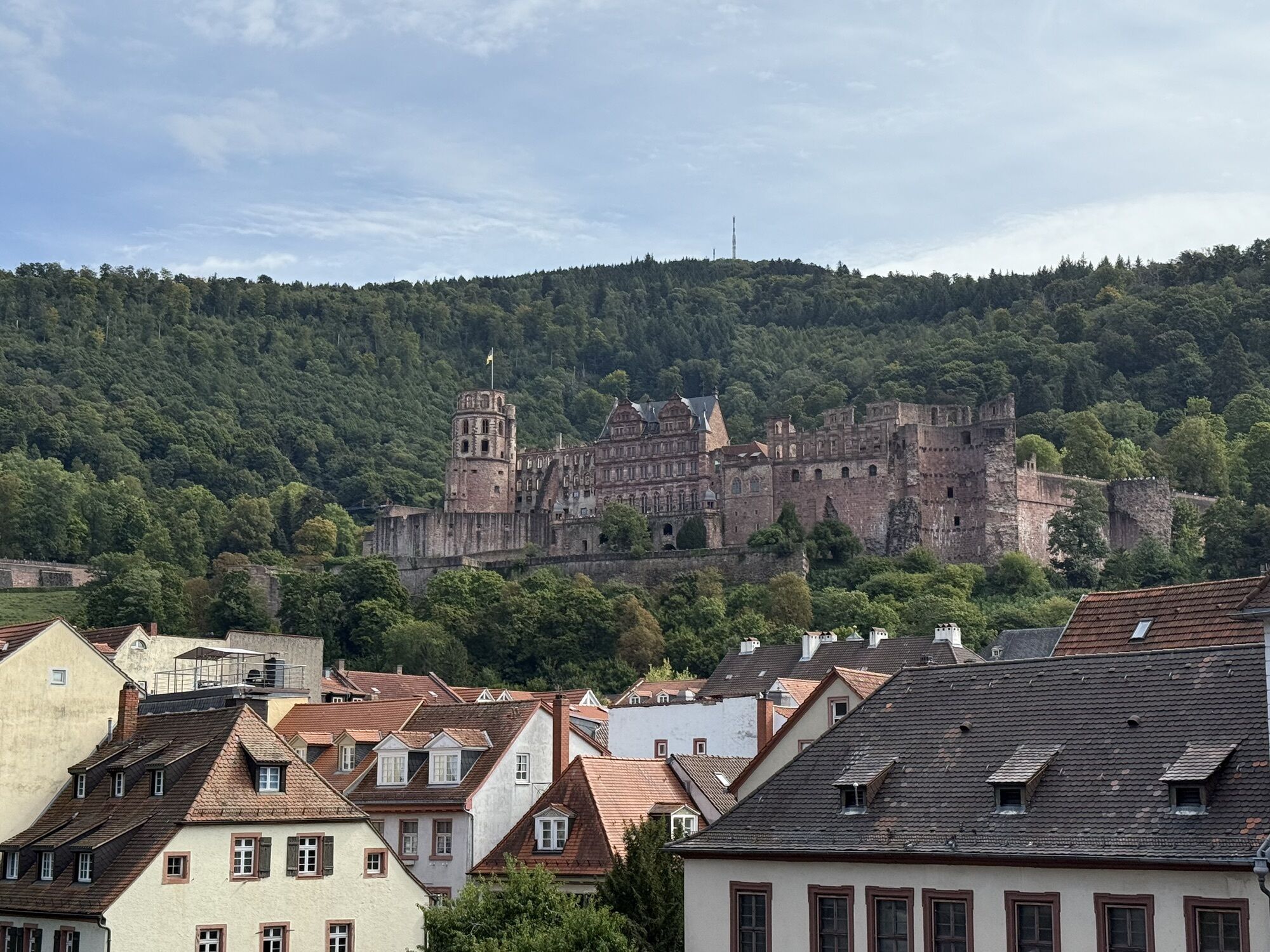
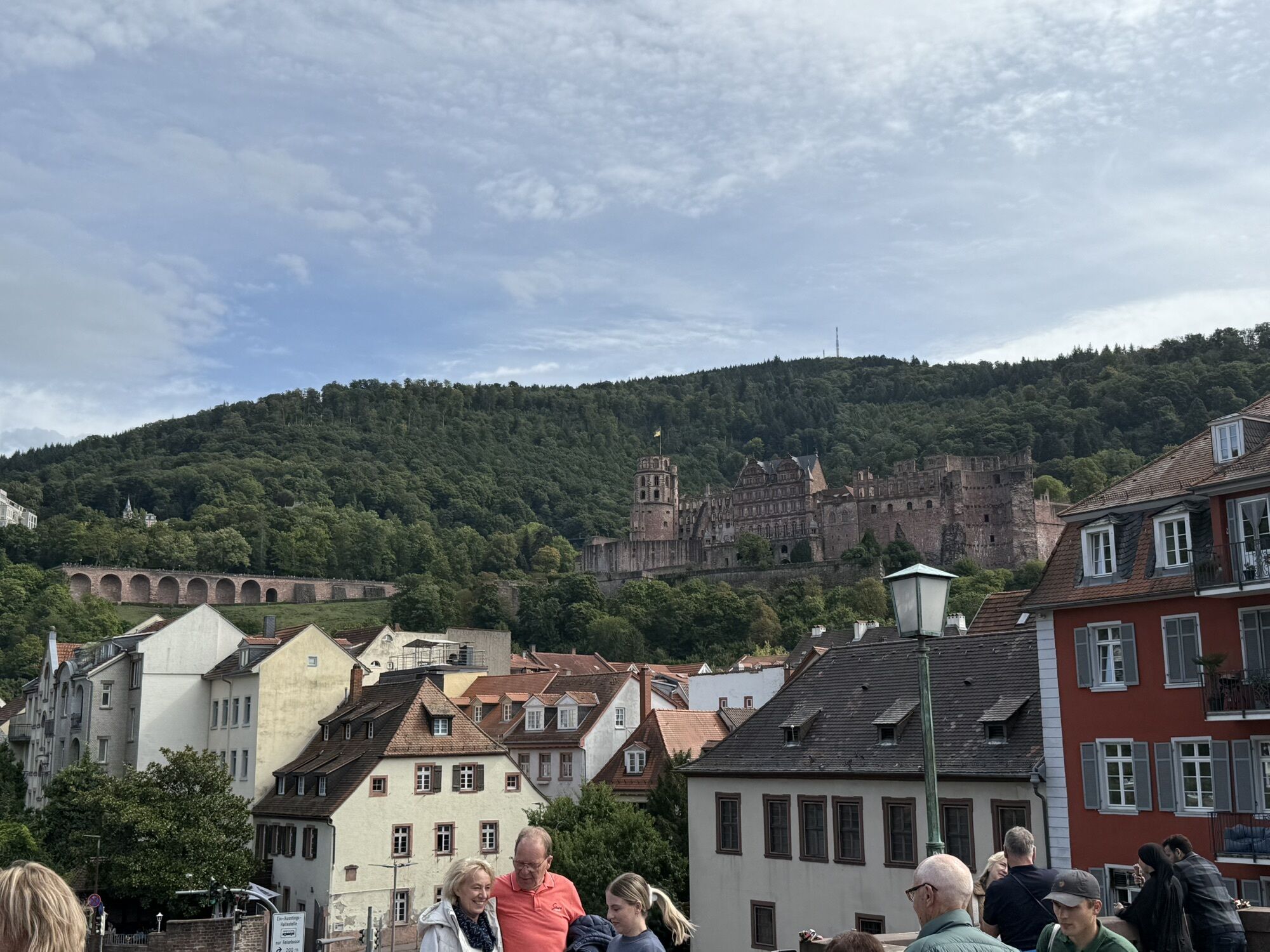
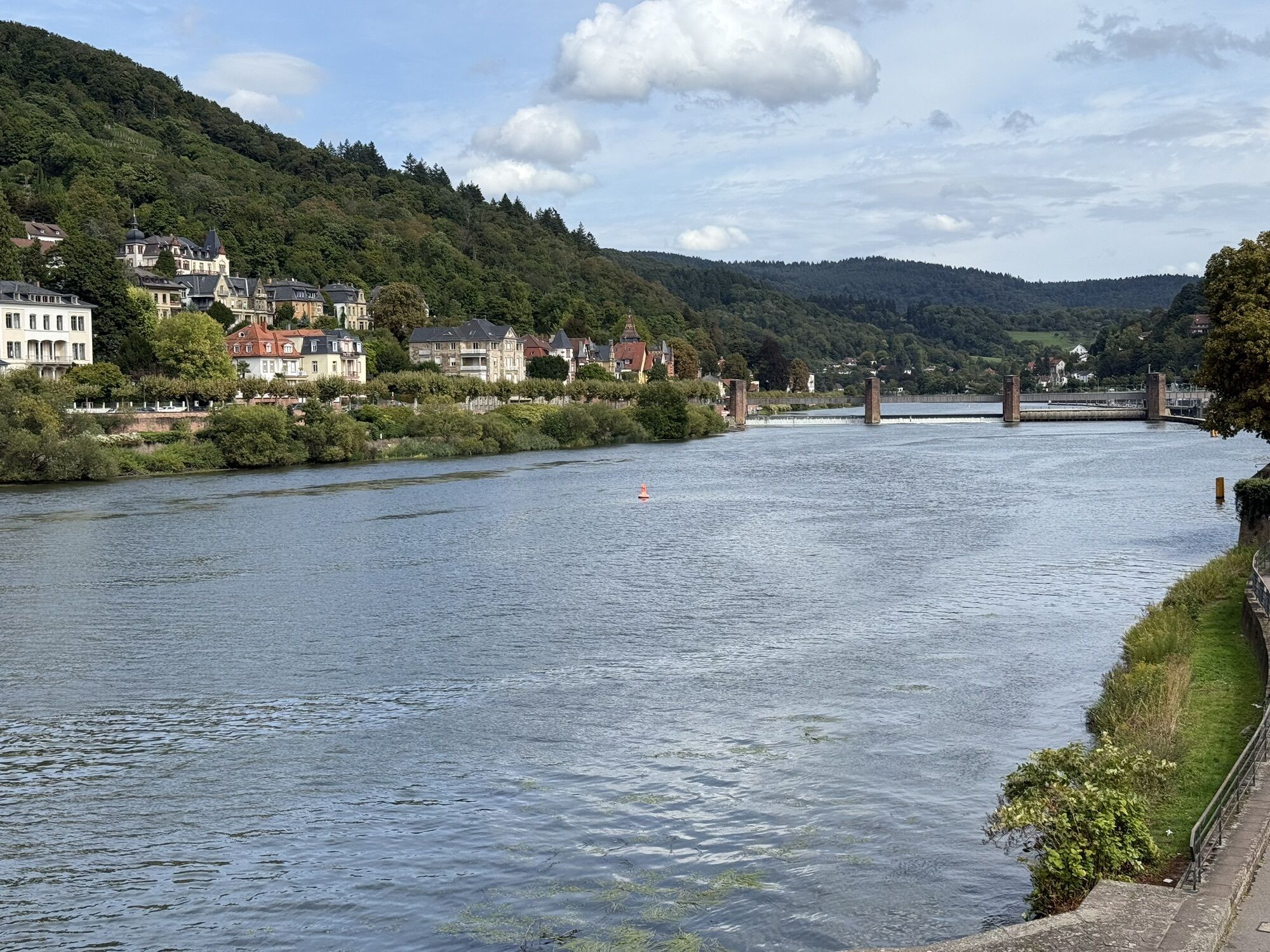
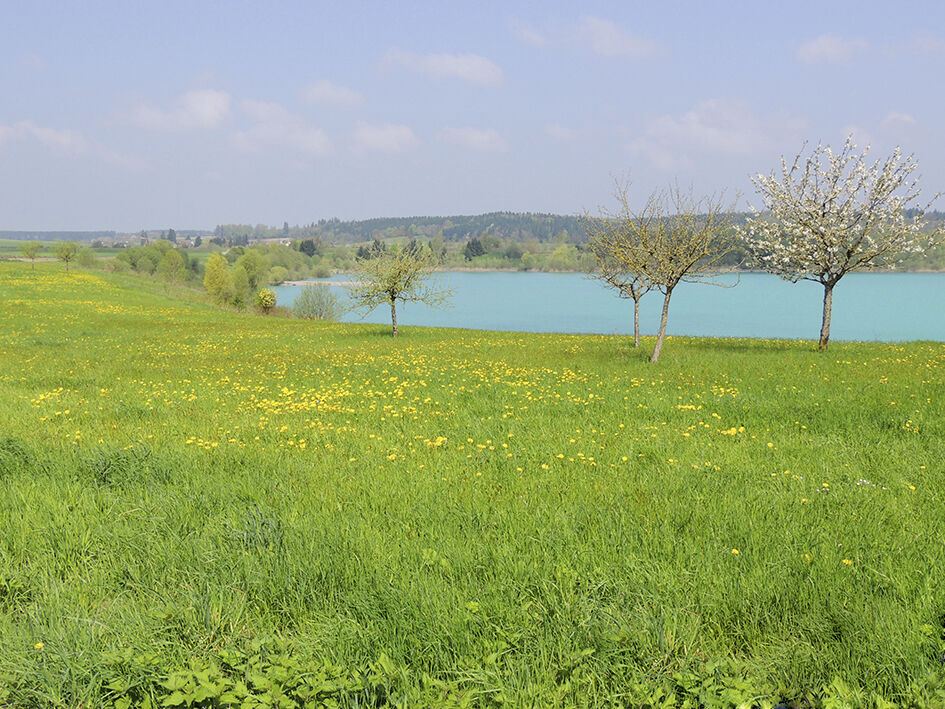
The first stage of this picturesque cycling route leads from the Roman town of Ladenburg along the Neckar via Heidelberg, Neckargemünd and Hirschhorn to Eberbach. Passing historic old towns, castles and dense forests, it offers idyllic river landscapes and varied nature – perfect for a relaxed but impressive bike ride.
2. Eberbach – Eppingen
The second stage starts in Eberbach at the southern foothills of the Odenwald and follows the Neckar. Beyond Hochhausen, a short, challenging section must be mastered, rewarded by the following downhill ride. Via Haßmersheim, a former important inland shipping location, and Neckarmühlbach with the Staufer castle Guttenberg, the path continues through the Neckar valley. Several castles are passed along the route, inviting visits or simply offering a great view embedded in the landscape. In Bad Wimpfen, a short stop should be made to enjoy the town with its wonderful viewpoints. Shortly afterward, you arrive in the “Swabian Tuscany” around Heilbronn. The town, situated amidst vineyards, offers beautiful parks and cycle paths along the Neckar. Shortly after, the Neckar is left and you cycle along the Lein. Via Leingarten and Schwaigern, the route continues to the stage destination Eppingen. Here, a walk through the picturesque old town with historic market square is worthwhile.
3. Eppingen – Bietigheim-Bissingen
The next stage begins in one of the most beautiful half-timbered towns heading south. In Mühlbach, you can make a detour to the Stonecutter Museum and rest at the Mühlbach lake. Via Ochsenburg, the cycle path leads to the nature center of the Zaberfeld watercourses. With a Kneipp bath and a playground with a bike dirt park, this is an ideal resting place for families with children. Further on the Zaber cycle path to Güglingen, where numerous sculptures can be admired. Via Frauenzimmern and Botenheim, Bönnigheim is reached, a charming little town with many half-timbered houses and a great view of Hohenstein Castle. Then Kirchheim am Neckar – beautifully situated on the river – and Besigheim with impressive Staufer defensive towers are reached. A short stretch still leads to the stage destination Bietigheim-Bissingen with a worth-seeing old town that blossomed during the Renaissance due to viticulture.
4. Bietigheim-Bissingen – Schorndorf
Shortly after leaving Bietigheim-Bissingen, the cycle path leads through a forest, at the end of which there is a playground and resting place. Behind Ingersheim, a sharp right turn awaits, and the path leads through the wonderful Alt-Neckar nature reserve. In Freiberg, the “Museum im Schlössle” can be visited before crossing the Neckar, and the path leads idyllically through the vineyards on the Neckar. In Marbach, not only beautiful half-timbered houses, towers, and narrow alleys await, but also the birthplace of Friedrich Schiller. Next, you pass through Steinheim an der Murr, where an ancient human skull was discovered, and continue on the beautiful section between Erbstetten and Backnang. The natural history cycle path leads to the “Murr metropolis” Backnang, which offers some sights. Via Weissach im Tal, Allmersbach im Tal, and Michelau, the stage destination Schorndorf is reached. Located on the Rems, the town impresses with historic small treasures and beautiful museums.
5. Schorndorf – Kirchheim
This stage starts in the birthplace of Gottlieb Daimler, whose birth house can be visited. The section between Schorndorf and Cannstatt is very nice and has little contact with road traffic. Via Grunbach and through the Rems valley, Waiblingen is reached, impressing with its beautiful old town and walkable city wall with battlement. Towards Hegnach, it goes through a quiet valley and steeply descends behind the town to the Rems mouth into the Neckar. At Hofen, the path goes through the landscape protection area at Max-Eyth-See to Bad Cannstatt. It continues to Esslingen am Neckar, where the Old Town Hall, Esslingen Castle, and historic gate towers invite a journey into the past. Via Altbach and Plochingen, which becomes worth seeing due to half-timbered buildings and the Hundertwasser house, it goes to Kirchheim unter Teck. The stage destination is idyllically located at the foot of Teck Castle between orchard meadows and the Alb panorama.
6. Kirchheim – Blaubeuren
In Kirchheim unter Teck, the cycling route of the German Timber-Frame Road splits into different routes, so you have to pay close attention to the correct turn. Near Heroldstatt-Sontheim is the Sontheim cave, the oldest show cave in the cavereal Swabian Jura. Further stops at caves can also be made along the route, for example, at Laichingen. The Tiefenhöhle here is the only shaft cave in Germany developed as a show cave. From the south, it goes to Weiler, which impresses with Alemannic half-timbered houses and the rock formation “the kissing sow.” Embedded in the landscape of the Swabian Jura, the stage destination is finally reached. In Blaubeuren, the magnificent half-timbered houses and the old monastery can be admired, and the prehistoric museum is worth a visit.
7. Blaubeuren – Riedlingen
The next stage starts from Blaubeuren through the picturesque Achtal valley. Near Schelklingen is one of the largest hall caves of the Swabian Jura, where the famous “Venus of Hohle Fels” was found. Right through the GeoPark Swabian Jura, it goes through Schmiechen and Allmendingen to Ehingen. The town situated on the Danube impresses with a beautiful old town characterized by half-timbered houses and the Church of Our Lady. Via Munderkingen and Untermarchtal, there is a steep climb to Rechtenstein. From the former castle, there is a beautiful view of the Danube valley. Before the stage destination, Datthausen and Bechingen are passed. Riedlingen, whose old town is almost fully listed as a monument, lies between the Buss and the Swabian Jura.
8. Riedlingen – Pfullendorf
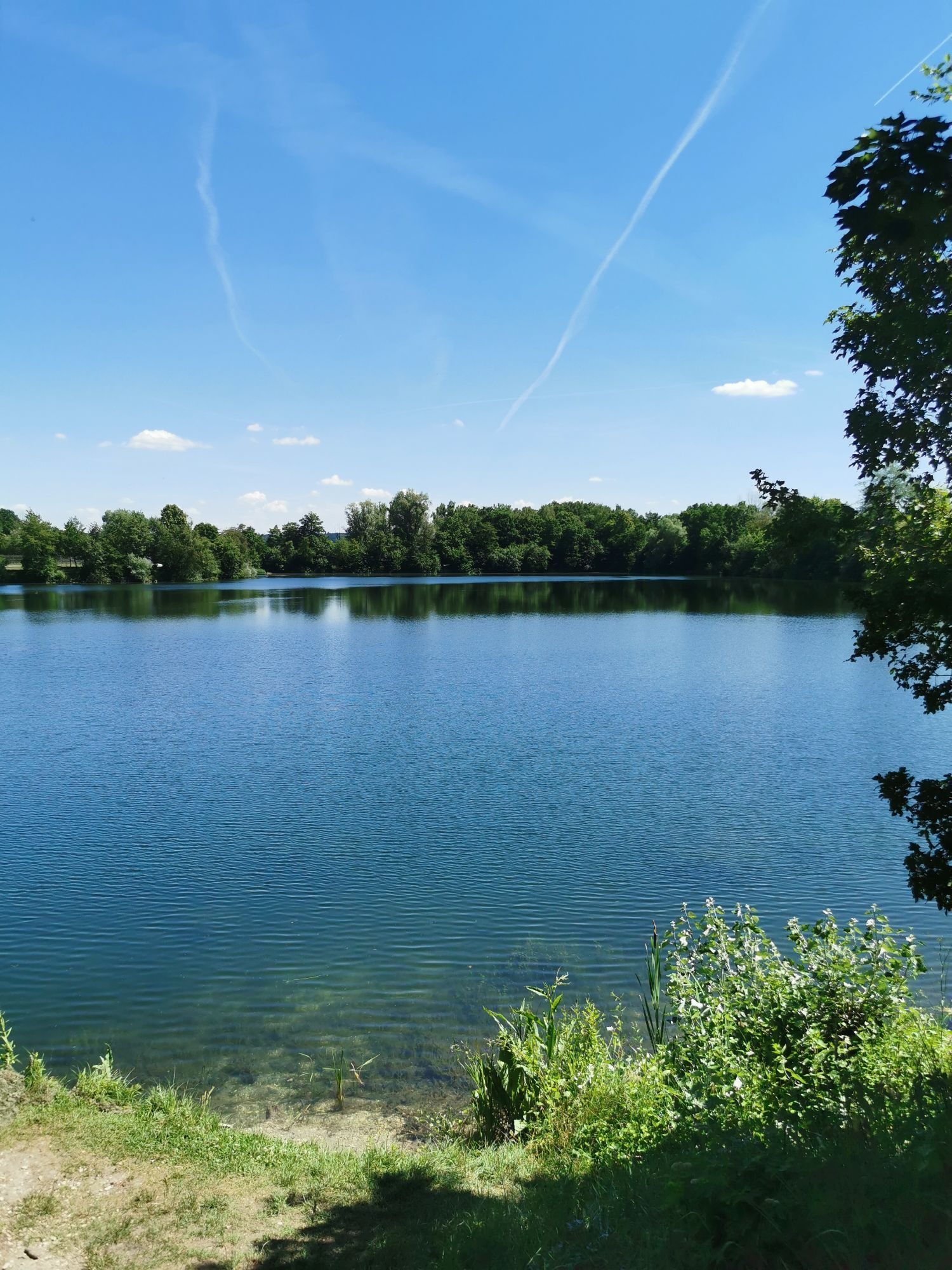
From Riedlingen, it goes directly along the Danube past interesting sculptures and the historic Wendelinus Chapel from the 14th century. Before Biberach, a climbing park offers the chance for a break. The town itself impresses with a remarkable old town with many half-timbered houses. It continues through an idyllic meadow valley to the heights of Reute. In Steinhausen, the “most beautiful village church in the world” can be seen, and in Kürnbach, the Upper Swabian Museum Village can be visited. Soon, it goes via Aulendorf and Altshausen to Lake Hoßkirch with a beautiful natural swimming pool. On the former border path between the Kingdom of Württemberg and the Principality of Hohenzollern-Sigmaringen, Pfullendorf is reached.
9. Pfullendorf – Meersburg
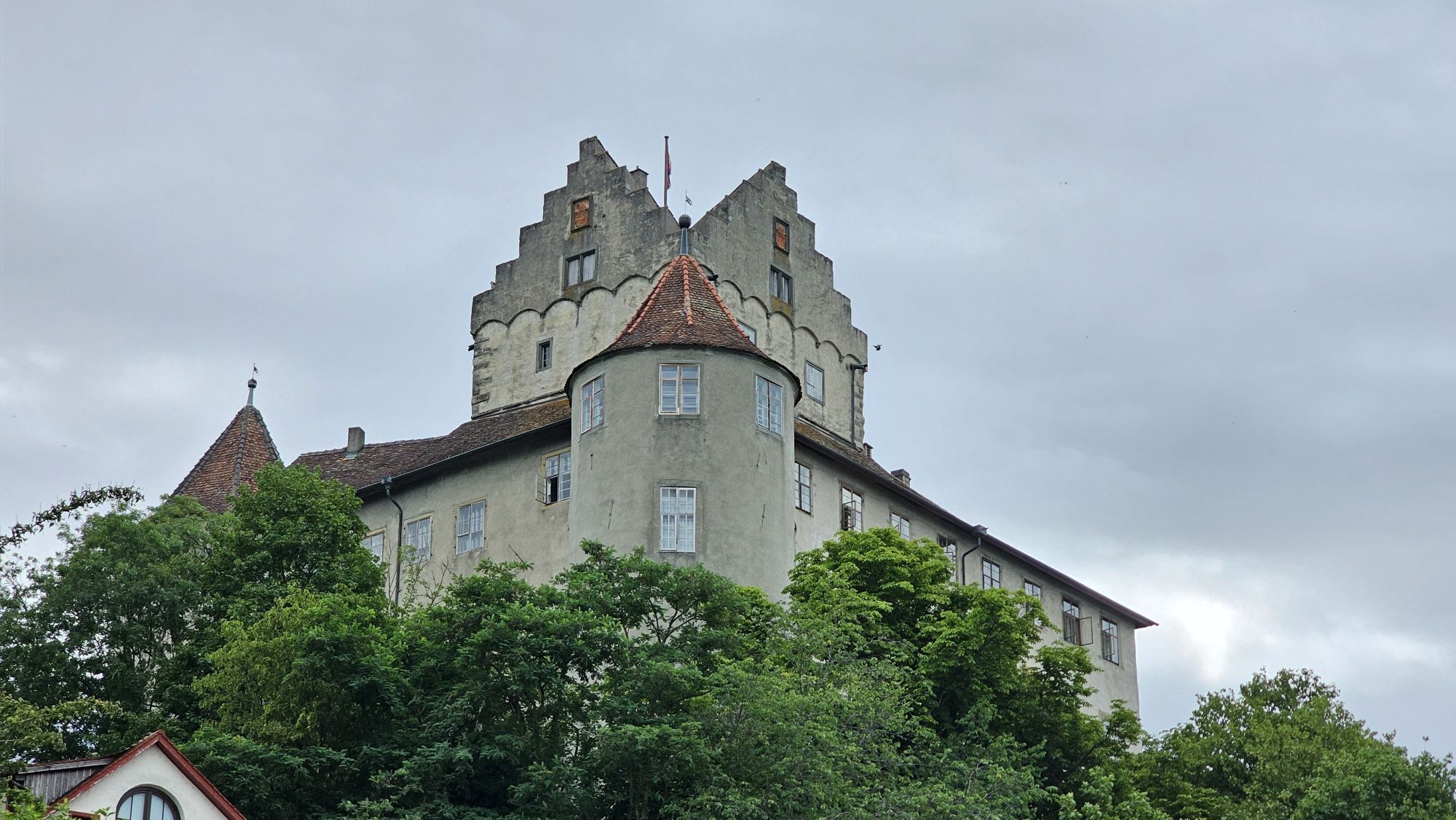
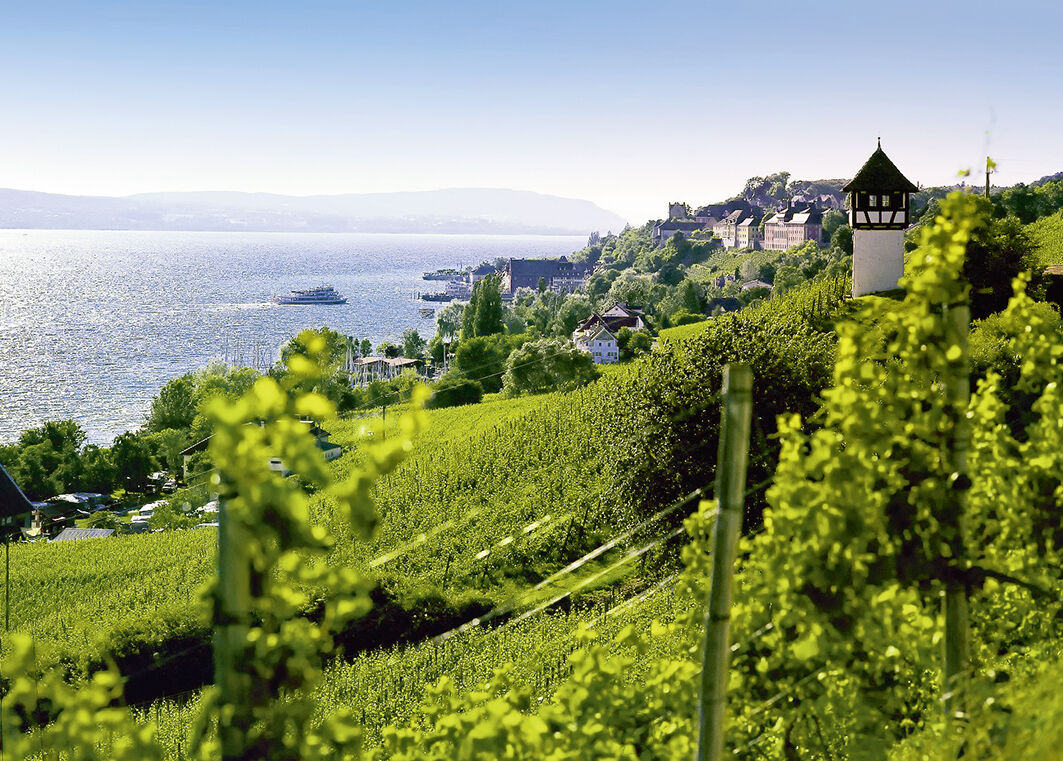
The southernmost section of the German Timber-Frame Road starts in the half-timbered gem Pfullendorf. On idyllic side roads between hamlets and farms, it goes via Aach-Linz and Mühlhausen to Herdwangen. Shortly before Herdertsweiler, there is the first view of Lake Constance. It continues via Owingen to the former free imperial city Überlingen, which features a Mediterranean-style lakeside promenade. Soon, the Baroque and pilgrimage church of Birnau monastery is reached. A short stop should be made here to soak up the atmosphere of the place and the view over the lake to Mainau Island. Via Uhldingen-Mühlhofen, the destination Meersburg is now reached. Located directly on Lake Constance, the town also impresses with its medieval flair, especially from the mighty castle and palace.
Bicycle helmet, puncture repair kit, cycling gloves, sun protection, provisions, and drinking water
Follow the A6 exit Neckarsulm and then the B27 to Mosbach, and from the Mosbach interchange take the B37 to Eberbach.
Follow the A5 exit Heidelberg and then the B37 to Eberbach.
Follow the A3 exit no. 54 Hanau and then the B45 to Eberbach.
By regional trains, S-Bahn, or Odenwald Railway to Eberbach
Several parking options
3
Detour:
Due to flooding and heavy rain events, the route along the Rems riverbank between Remseck-Neckarrems and Waiblingen-Hegnach is closed until further notice. A detour via Waiblingen-Hohenacker is signposted on site.
At the end of a strenuous and beautiful cycling day, enjoy the specialties of the respective region (e.g. wine).

Webové kamery z prohlídky
-
Herrenberg
-
Stuttgart Marktplatz
-
Hagnau am Bodensee
-
Altstadt Bietigheim
-
Marktplatz Bietigheim-Bissingen
-
Heidelberg - Berghalde
-
Heidelberg
-
Späneturm Fa. Kneer
-
Riedlingen
-
Mosbach
-
Meersburg, Staatsweingut
-
Fährehafen Meersburg
-
Konstanz Fährehafen
-
Cannstatt Schleuse und Wehr
-
Schleuse Hofen Oberwasser
-
Ludwigsburg Blühendes Barock
-
Staad, Segler-Verein Staad
-
Berg-Gasthof Königstuhl Heidelberg
-
Schleuse Lauffen Oberwasser
-
Schleuse Lauffen Unterwasser
-
Blaubeuren
-
Owingen
-
Die Kirchhofstörche aus Ehingen
-
Staad, Segler-Verein Staad
-
Hagnau am Bodensee - Hafen
-
Laichingen Stadtmitte
Získejte přehled
Vždy živě na místě s více než 9 500 webkamerami. bergfex Jako uživatel Pro si nyní můžete zobrazit odpovídající webové kamery pro mnoho prohlídek v aplikaci prohlídky z. Můžete si tak přímo prohlédnout aktuální podmínky.
Oblíbené prohlídky v okolí
-
4.0
Sieben Mühlen Tal Waldenbuch, Deutschland
středníTuristika 18 km -
Esslinger Höhenweg
středníTuristika 26.8 km -
4.5
Sillenbuch: Über Heumaden und Kemnat zum Eichenhain
světloTuristika 11.9 km -
Höhenweg Sillenbuch und Bußbachtal
světloTuristika 8.30 km -
Von Häfner nach Dettenhausen und zurück Aichtal, Deutschland
středníTuristika 19.6 km -
3.5
Into the Schurwald
středníTuristika 12.1 km -
Sillenbuch: Über Waldspielplatz und Haus des Waldes ins Ramsbachtal
světloTuristika 8.49 km -
5.0
Stuttgart Ultra sehr Zentral
středníTuristika 53.0 km -
Neckar valley/Black Forest | German Timber-Frame Road: Circular route Neckar valley/Black Forest
heavyCyklistika na velkou vzdálenost 367.8 km -
Middle Route | German Half-Timbered Route: From the Neckar to Lake Constance
heavyCyklistika na velkou vzdálenost 500.8 km
Pěší turistika a stopování

Nenechte si ujít nabídky a inspiraci pro vaši příští dovolenou
Vaše e-mailová adresa byl přidán do poštovního seznamu.